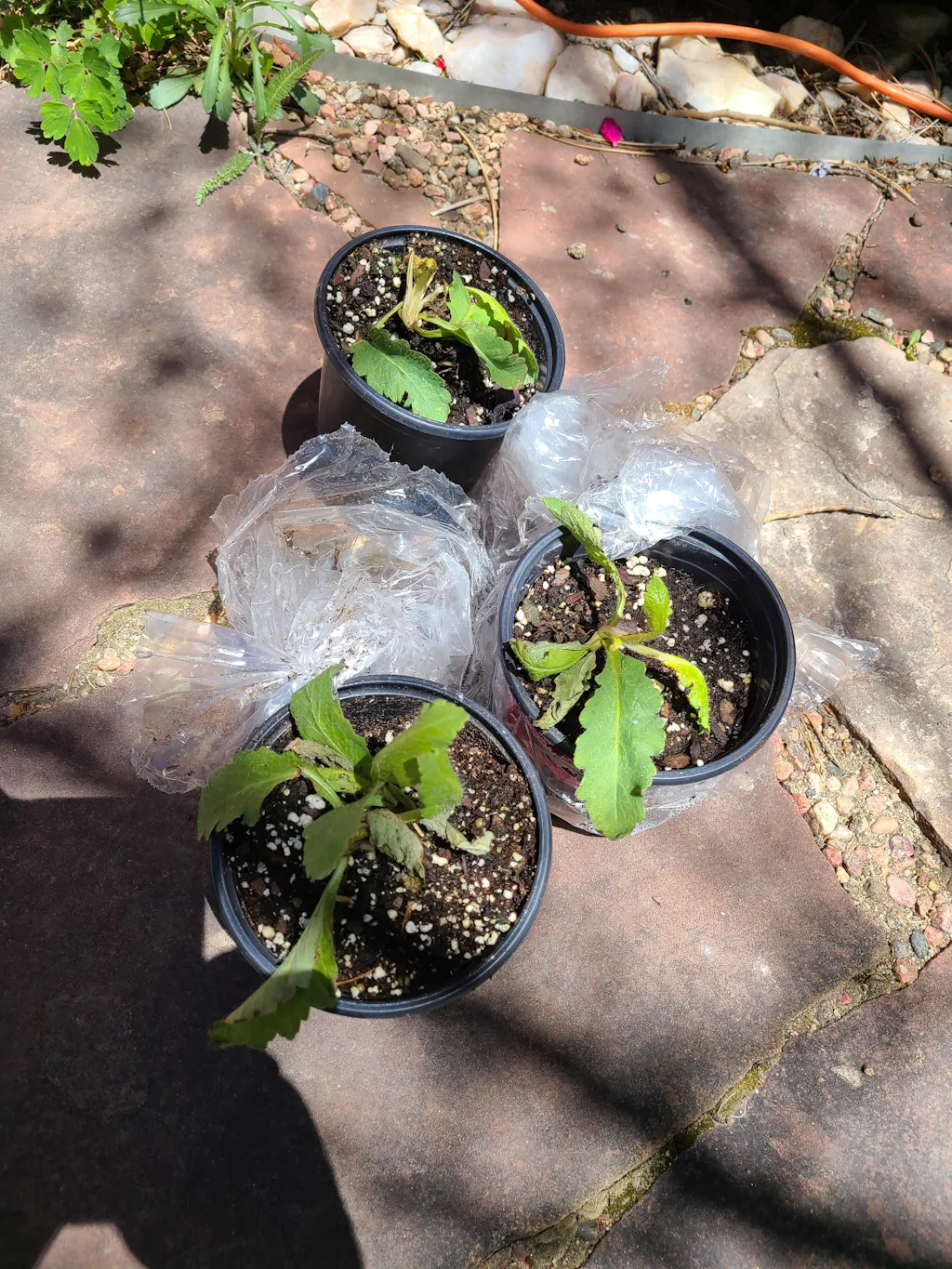
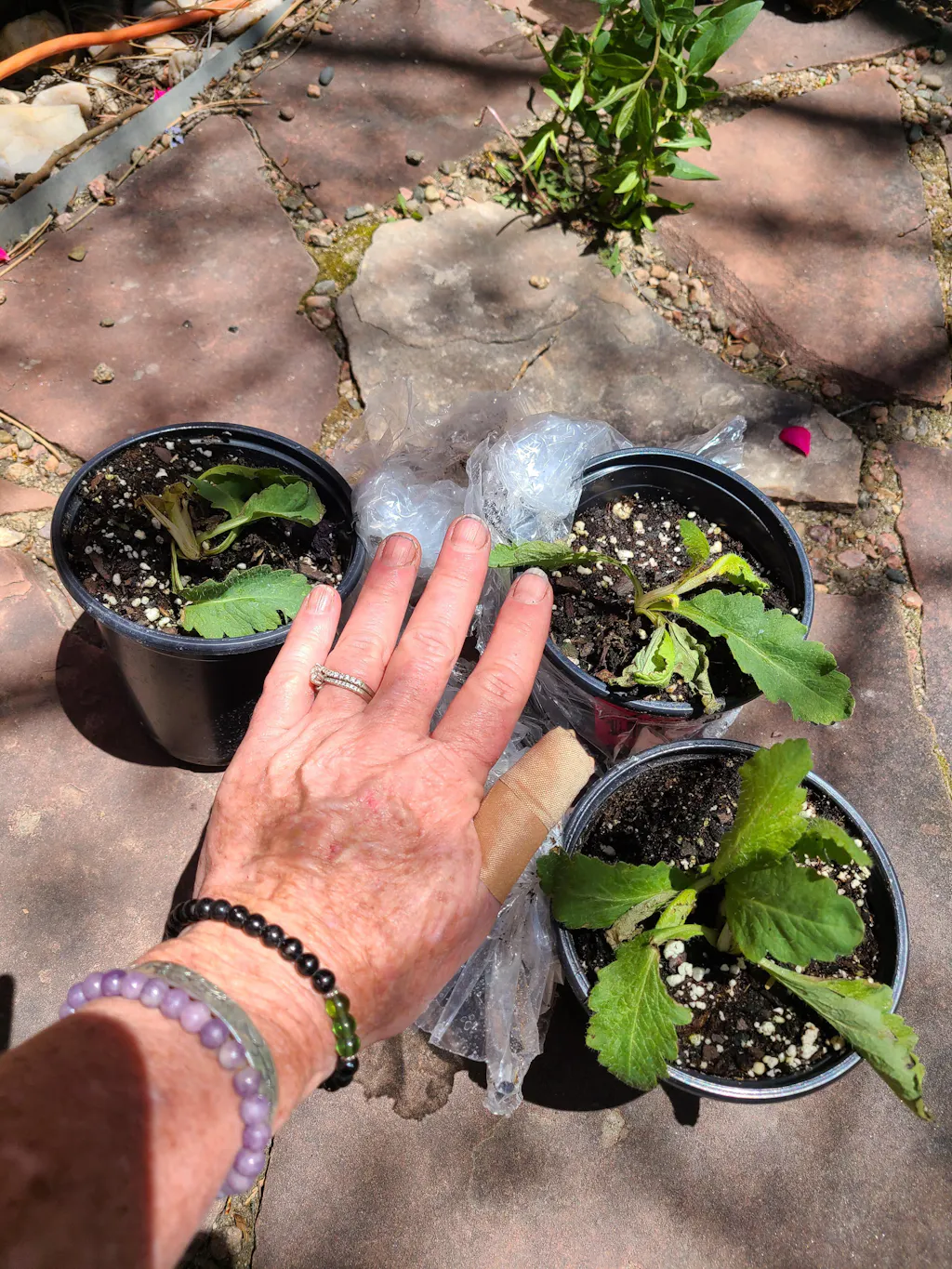
'Beauty of Livermere' Oriental Poppy (Papaver)
Perennial
- Bright red blooms with contrasting black centers.
- Late spring through early summer punch of color!
- Great as a cut flower or in dried arrangements as an interesting seed pod.
- Low maintenance and deer resistant.
- Zones 3-7, sun/part sun, 2.5’ tall x 2’ wide at maturity.
 ZONE
ZONE
 EXPOSURE
 HEIGHT


Description
With instantly recognizable cup-shaped flowers, poppies don't need much of an introduction. These early summer classics are found worldwide, boasting vibrant red, pink, orange, and pastel hues that are worthy of a spot in every garden. They grow best in well-drained sites and are tolerant of sandy and rocky soils, which means even challenging spaces can be filled with flowers. Though poppies come from a diverse family of perennials, biannuals, and annuals across the globe, the oriental poppy
( Papaver orientale ) we carry is a reliable perennial that can be enjoyed year after year.
Details
Common name: Poppy, Oriental Poppy
Zone: 3-7
Sun exposure: Sun (>6 hours sun) to part sun (4-6 hours sun)
Height x width: 2.5’ x 18-24"
Flower Color: Red
Foliage color: Light green
Bloom time: Early summer
Features: Deer resistant, rabbit resistant, cold tolerant
Uses: Accent, cut flower, massing, border
How to Grow
Light: Sun (> 6 hours sun) to part sun (4-6 hours sun).
Water: Average water needs. Well-draining site.
Spacing: 18-24 inches.
Fertilizing: Poppies don't need much fertilization and can tolerate poor soils, one application of a slow-release fertilizer in spring will suffice.
Winterizing: Hardy to zone 3 these poppies do well in winter, however newly planted varieties can benefit from a layer of mulch before winter arrives.
Maintenance & pruning: Deadhead as flowers fade to promote longer flowering into the season.

Plant spacing is based on the ultimate width of the plants. This figure is normally given as a range; for example, 3-5’. If you live in a cold climate and/or want plants to fill in more quickly, plan to space at the shorter end of the range. If you live in a warm climate, are on a limited budget, or are willing to wait longer for plants to touch, use the higher end of the range. Using the larger number is recommended when calculating distance from a building or structure. There’s really no such thing as "maximum spacing": if you don’t want your plants to touch, you can space them as far apart as you’d like. All plant spacing is calculated on center, or in other words, the centers of the plants are spaced one half of their eventual width apart:

Unless you are planting in a straight line, as you might for hedges or edging, space your plants in a staggered or zig-zag pattern for a more interesting and naturalistic look:

Not sure just how many plants will fit in your garden? Our calculator gives you the exact amount of plants required for your space. Simply update the values and the calculator will re-calculate accordingly. Spacing information can be found in the 'How to Grow' tab on each plant's page.