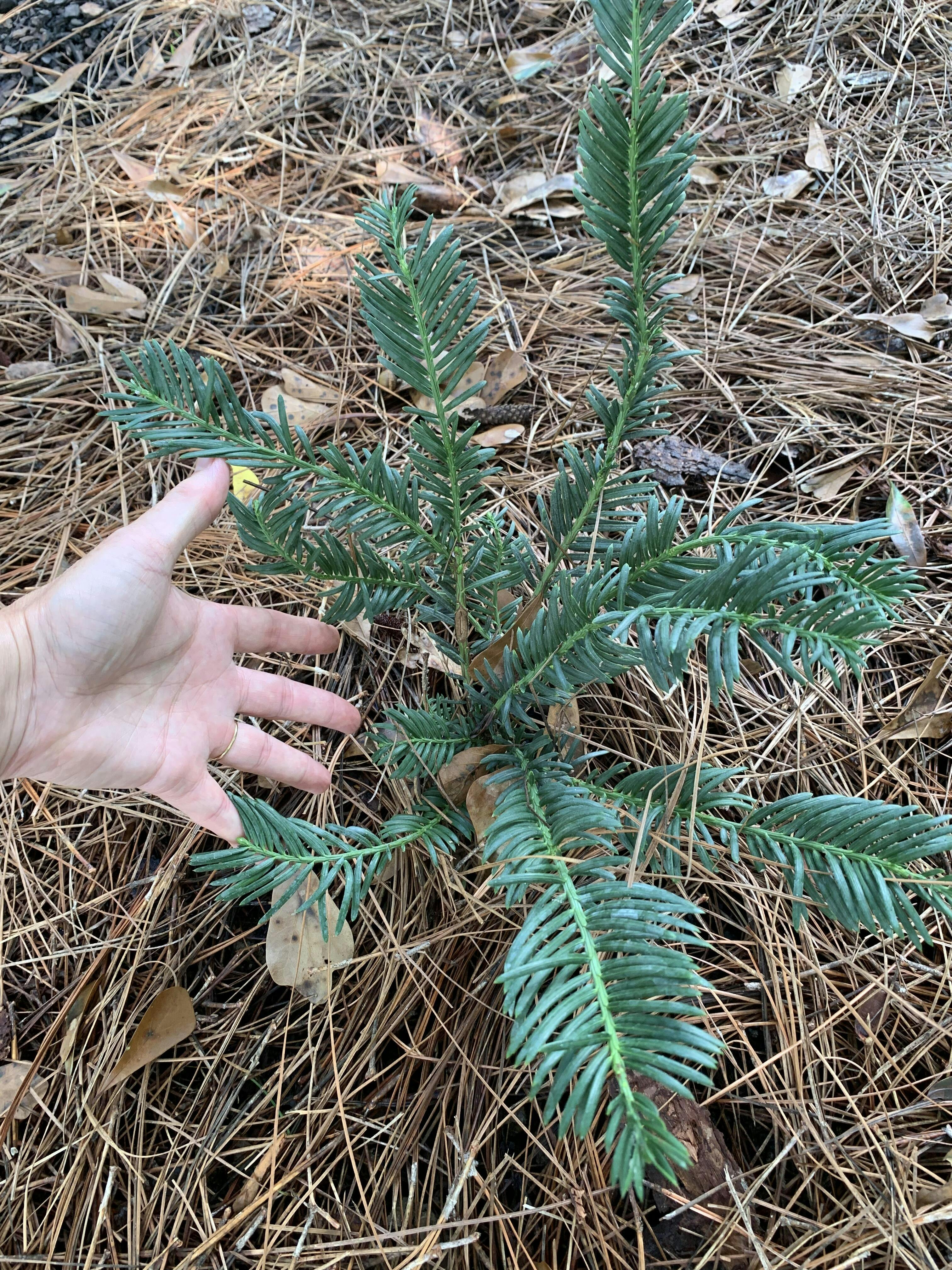
'Duke Gardens' Plum Yew
Shrub
DISCONTINUED
- We no longer offer this product. Create a similar look with our other evergreens!
- Compact habit saves space.
- Fruits on female plants resemble small plums.
- Low maintenance and deer resistant.
- Zones 6-9, part sun/shade, 3′ tall x 4′ wide at maturity.
 ZONE
ZONE
 EXPOSURE
 HEIGHT


Description
Details
Common name: Plum-yew, cow's tail pine, Harrington's Cephalotaxus
Zone: 6 - 9
Sun exposure: Part-sun (4-6 hrs sun/day) to shade (< 4 hrs sun/day)
Soil type: Average
Soil moisture: Average
Height x width: 2-3' tall x 3-4' wide
Foliage color: Green
Uses: Specimen, landscaping, perennial gardens, edging.
How to Grow
Light: Part-sun (4-6 hrs sun/day) to full shade; grows in deep shade.
Water: Average.
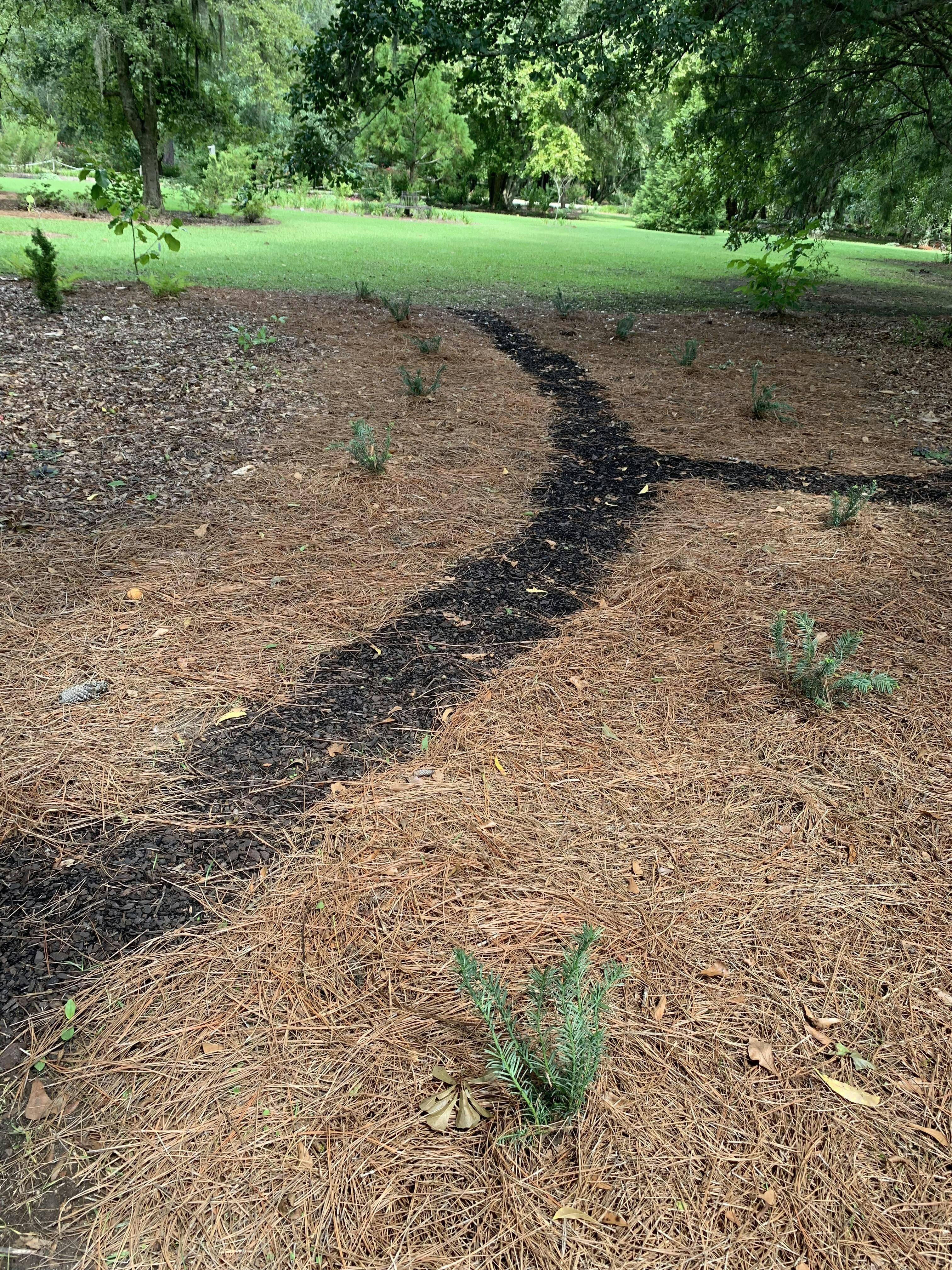
Space: min. 3' apart.
Fertilizing: No fertilization is required. Granular fertilizer can be applied in early spring if desired.
Winterizing: A good 2-3" layer of mulch is recommended; Avoid extreme dry soil in autumn, which can cause the evergreen foliage to dry out in winter. It can be grown in USDA zone 5 if planted in a sheltered spot or protected over winter.
Maintenance: No pruning is necessary, but can handle trimming to shape if desired.

Plant spacing is based on the ultimate width of the plants. This figure is normally given as a range; for example, 3-5’. If you live in a cold climate and/or want plants to fill in more quickly, plan to space at the shorter end of the range. If you live in a warm climate, are on a limited budget, or are willing to wait longer for plants to touch, use the higher end of the range. Using the larger number is recommended when calculating distance from a building or structure. There’s really no such thing as "maximum spacing": if you don’t want your plants to touch, you can space them as far apart as you’d like. All plant spacing is calculated on center, or in other words, the centers of the plants are spaced one half of their eventual width apart:

Unless you are planting in a straight line, as you might for hedges or edging, space your plants in a staggered or zig-zag pattern for a more interesting and naturalistic look:

Not sure just how many plants will fit in your garden? Our calculator gives you the exact amount of plants required for your space. Simply update the values and the calculator will re-calculate accordingly. Spacing information can be found in the 'How to Grow' tab on each plant's page.