


'Pardon My Cerise' Bee Balm (Monarda)
Perennial
- Stunning dark cherry red blooms from mid to late summer!
- A haven for your local pollinators.
- Red flowers are especially attractive to hummingbirds.
- Zones 4-8, sun/part shade, 14-18" tall X 10-12" wide at maturity.
 ZONE
 EXPOSURE
 HEIGHT


Description
The Pardon My series from Proven Winners was bred for garden performance. While 'Pardon My Cerise' may have a small habit, its flowers are just as large as taller selections, measuring 2½-3" across in full bloom. Its glossy green foliage resists powdery mildew with proper air circulation and sunshine. Aromatic foliage makes it resistant to deer and rabbit damage as well, making this perennial easy to grow when given plenty of water.
Details
Common name: Bee balm, horsemint
Zone: 4 - 8
Sun exposure: Sun, Part shade
Height x width: 14-18" tall X 10-12" wide
Flower color: Dark cherry pink
Foliage color: Green
Bloom time: Summer
Features: Wet soils, space savers, rain gardens, deer resistant, Proven Winners, native, heat tolerant, fragrant, pollinator-friendly
Uses: Accent, container gardening, edging, ground cover, massing, rain garden, rock garden, underplanting, waterside, cut flowers
How to Grow
Light: Sun (> 6 hours direct sun) to part sun (4-6 hours direct sun)
Water: Bee balm grows best with average to consistent moisture. Keep them moist (but not too wet) for the best growth and flwoer production.
Spacing: Space at least 10-12" from other plants; good air circulation encourages healthy, vigorous growth.
Fertilizing: Little needed. If desired, apply a granular garden fertilizer in early spring, just as the soil begins to thaw.
Winterizing: No special care needed. Any old stems that persist after winter can be cut back in spring.
Maintenance & pruning: Remove spent blooms for better performance and looks. While not imperative, it results in a neater, showier plant.

Plant spacing is based on the ultimate width of the plants. This figure is normally given as a range; for example, 3-5’. If you live in a cold climate and/or want plants to fill in more quickly, plan to space at the shorter end of the range. If you live in a warm climate, are on a limited budget, or are willing to wait longer for plants to touch, use the higher end of the range. Using the larger number is recommended when calculating distance from a building or structure. There’s really no such thing as "maximum spacing": if you don’t want your plants to touch, you can space them as far apart as you’d like. All plant spacing is calculated on center, or in other words, the centers of the plants are spaced one half of their eventual width apart:

Unless you are planting in a straight line, as you might for hedges or edging, space your plants in a staggered or zig-zag pattern for a more interesting and naturalistic look:

Not sure just how many plants will fit in your garden? Our calculator gives you the exact amount of plants required for your space. Simply update the values and the calculator will re-calculate accordingly. Spacing information can be found in the 'How to Grow' tab on each plant's page.
The plants were packed very nicely but still arrived very stressed. They did have a long travel time of a week in the hot summer. The plants arrived very stressed. They did have a long travel time of a week in the hot summer. I trimmed all the dead leaves off and let them adjust to the climate for two days, one day in the shade and then the next day in the area I was going to plant them in. New growth started coming in and they are doing great. I do not assume they will be flowering this year, because it’s already October. But they look healthy and I have high hopes for next spring summer.
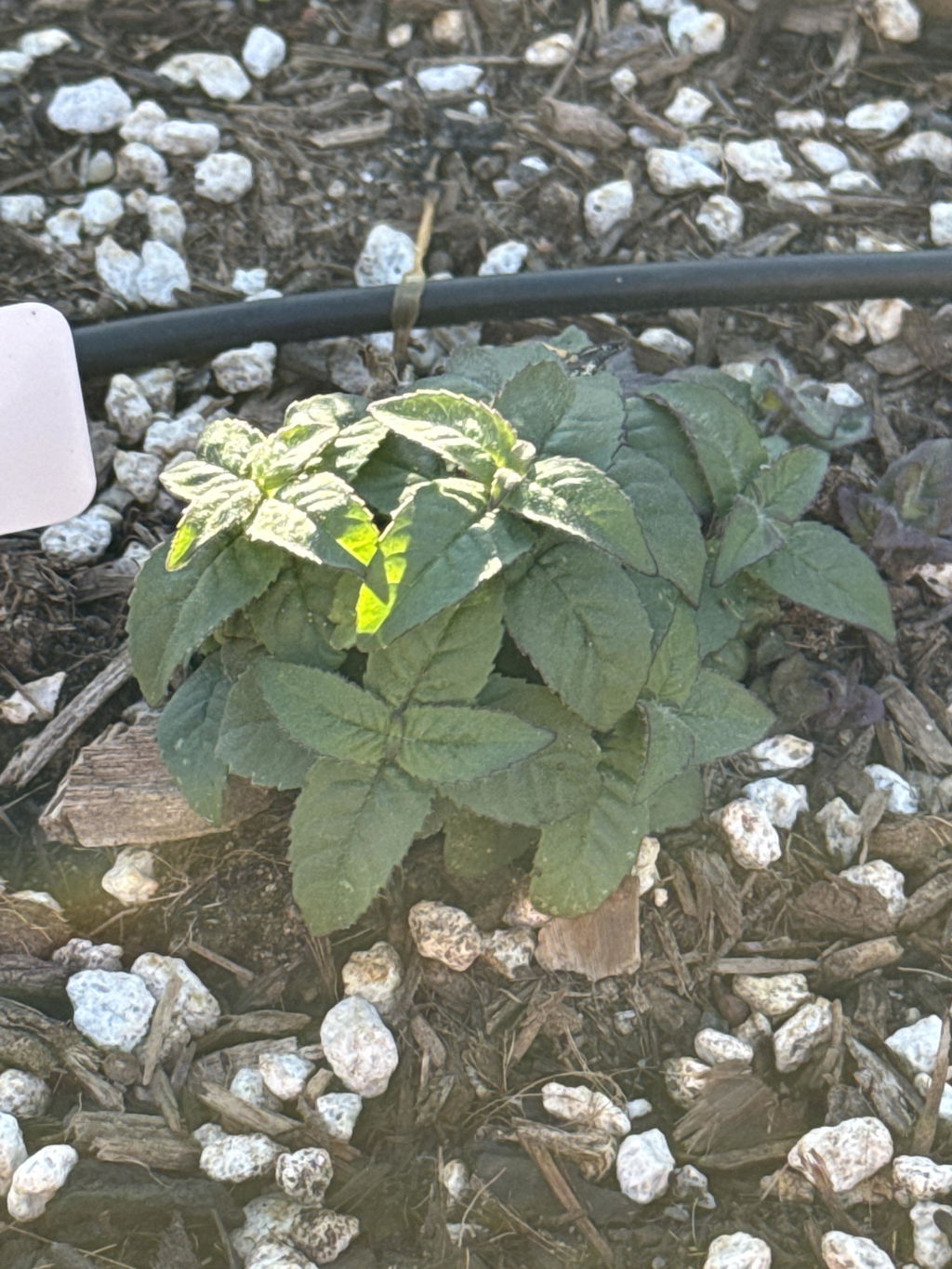
The plants arrived very stressed. They did have a long travel time of a week in the hot summer. The plants arrived very stressed. They did have a long travel time of a week in the hot summer. I trimmed all the dead leaves off and let them adjust to the climate for two days, one day in the shade and then the next day in the area I was going to plant them in. New growth started coming in and they are doing great. I do not assume they will be flowering this year, because it’s already October. But they look healthy and I have high hopes for next spring summer.
My plants were carefully packaged, shipped & arrived as promised, went happily into the ground and even survived--with some urgent "aftercare" a one-week Chicago heat wave. Thanks!
All arrived safely. Plants look healthy. Hopefully they will thrive
How hardy are bee balm? With the intense heat and strong sunshine my plants are scorched. They produced such gorgeous blooms and I hope they’ll be fine. Has anyone had anything like this before? The leaves have dropped off a lot but it’s still green. What do you think? Still possible to come back from this? Thanks so much.
Bee balm is a resilient native perennial that basks happily in full sun which is recommended for best flowering. Bee balm has average to abundant water needs, depending on the weather. Since your bee balm plants are experiencing heat and lots of sun make sure you're providing enough water. It is possible for them to make it through this weather, but if you're concerned you can send pictures of your plants to [email protected] and we'll be happy to help you!