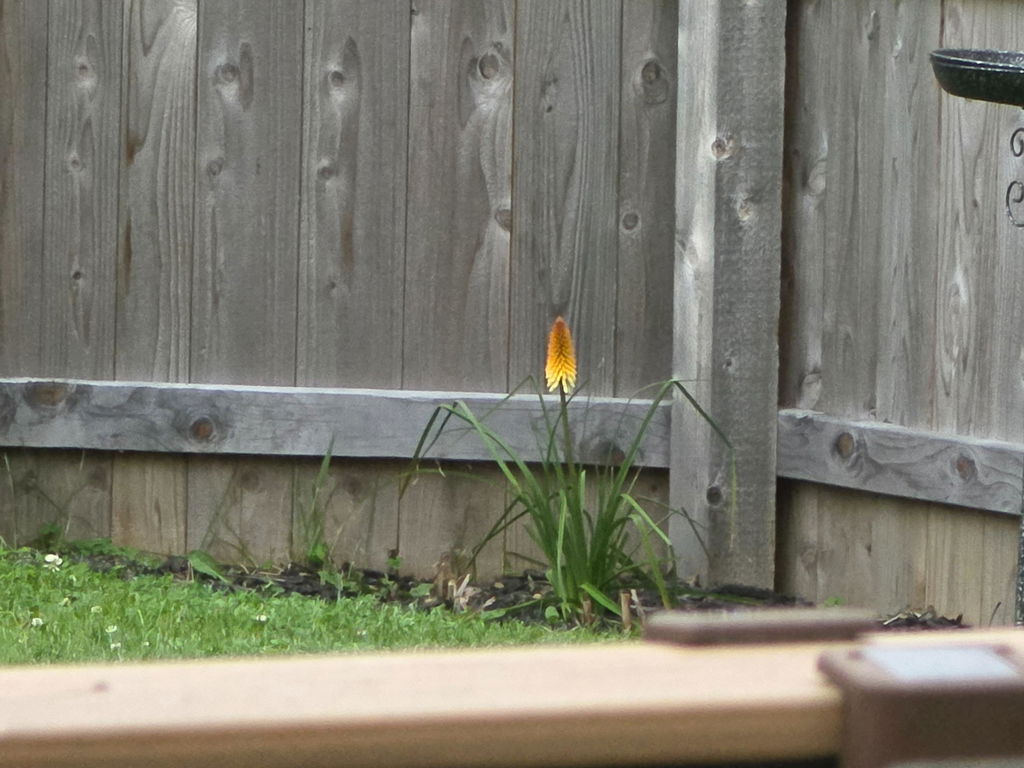
Pyromania® 'Hot and Cold' Red Hot Poker (Kniphofia)
Perennial
- Tangerine orange buds open up to creamy white flowers.
- Flower spikes add drama early summer & rebloom again late-summer!
- Deer & rabbit-resistant perennial.
- Tubular flowers are a magnent to hummingbirds.
- Zones 5b-9, sun, up to 3’ tall x 22.5’ wide at maturity.
 ZONE
ZONE
 EXPOSURE
 HEIGHT


Description
Red hot poker is perfect for adding height and drama to your garden, and this long-blooming perennial is guaranteed to look stunning, lining pathways or along the edge of your garden bed. Hot, dry summers won't stop this plant from putting on a show, thanks to its drought tolerance, so sit back, relax, and enjoy.
Details
Patent #: PP31185
Common name: Tritoma, Red hot poker torch lily
Zone: 5b-9
Sun exposure: Sun (6+ Hours)
Height x width: 2.5-3' tall and 2-2.5' wide
Flower color: Orange, red, and yellow
Foliage color: Green
Bloom season: Summer
Features: Rare & Unusual, deer resistant, rabbit resistant, Proven Winners, low flammability, heat tolerant, drought tolerant, container plants, best for beginners
Uses: Accent, Background, Border, Cottage gardening, Foundation planting, Massing, Naturalizing, Specimen
How to Grow
Light: Full sun.
Water: Average – Drought-tolerant once established.
Spacing: 1.5 – 2 ft.
Fertilizing: Seldom needs fertilizing if soil is good to average. On very poor soils can feed lightly with a general-purpose, or timed-release fertilizer before new growth begins in spring.
Winterizing: Add a 2-3″ layer of shredded bark mulch in cold regions for protection.
Maintenance & Pruning: Deadhead spent flowers by cutting the flower stem at the base.

Plant spacing is based on the ultimate width of the plants. This figure is normally given as a range; for example, 3-5’. If you live in a cold climate and/or want plants to fill in more quickly, plan to space at the shorter end of the range. If you live in a warm climate, are on a limited budget, or are willing to wait longer for plants to touch, use the higher end of the range. Using the larger number is recommended when calculating distance from a building or structure. There’s really no such thing as "maximum spacing": if you don’t want your plants to touch, you can space them as far apart as you’d like. All plant spacing is calculated on center, or in other words, the centers of the plants are spaced one half of their eventual width apart:

Unless you are planting in a straight line, as you might for hedges or edging, space your plants in a staggered or zig-zag pattern for a more interesting and naturalistic look:

Not sure just how many plants will fit in your garden? Our calculator gives you the exact amount of plants required for your space. Simply update the values and the calculator will re-calculate accordingly. Spacing information can be found in the 'How to Grow' tab on each plant's page.