Wreaths & More!


Description
Plant spacing is based on the ultimate width of the plants. This figure is normally given as a range; for example, 3-5’. If you live in a cold climate and/or want plants to fill in more quickly, plan to space at the shorter end of the range. If you live in a warm climate, are on a limited budget, or are willing to wait longer for plants to touch, use the higher end of the range. Using the larger number is recommended when calculating distance from a building or structure. There’s really no such thing as "maximum spacing": if you don’t want your plants to touch, you can space them as far apart as you’d like. All plant spacing is calculated on center, or in other words, the centers of the plants are spaced one half of their eventual width apart:

Unless you are planting in a straight line, as you might for hedges or edging, space your plants in a staggered or zig-zag pattern for a more interesting and naturalistic look:

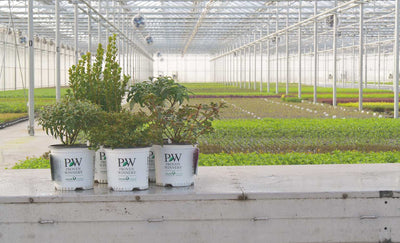
Hand-picked at our greenhouse
Shipped to your door
Arrives as young plant
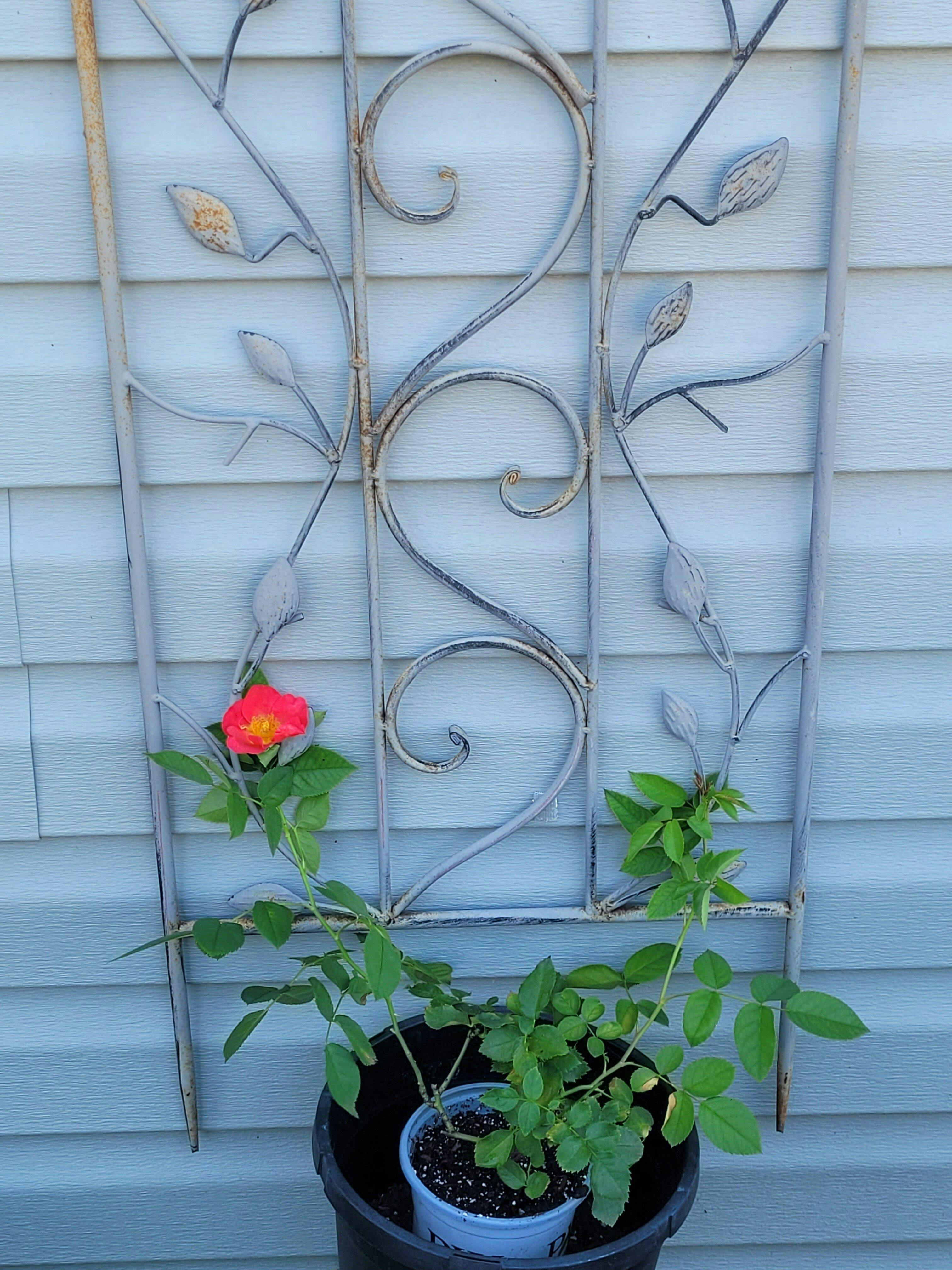
A timeless addition, climbing roses are a garden staple for good reason. Absolutely covered in the most bodacious big, full blooms, rose climbers will transform walls, fences, or trellises into a striking accent you’ll look forward to seeing every year. Here, we explain how to grow and care for climbing roses, as well as answer frequently asked questions about this classic garden staple.
Delivered to the front door and beautiful shape. Went into the ground without any problems and immediately began to send new shoots out. Could not ask for any better.
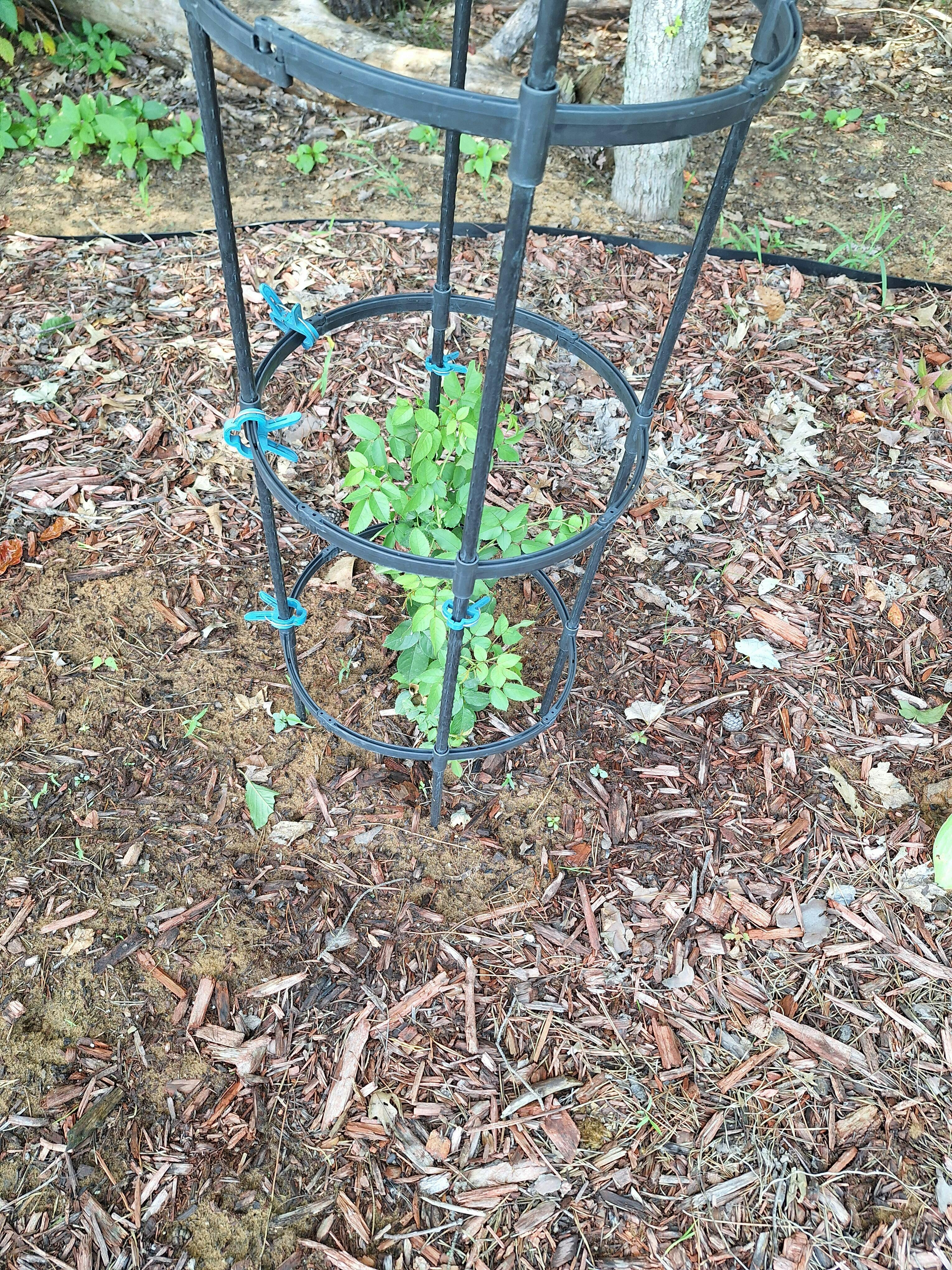
Plant came in great shape and has grown about 6 inches in less than a month. I can't wait for it to bloom the way it's going I'm sure I will see a flower on it before the end of summer.
Roses, are ok, other plant, was dead on arrival.
Hello! We’re sorry that you received plants that are not up to our standards. We try our best to provide excellent plants, but some factors, like shipping and handling, are outside our control. That’s why we have a 60-day guarantee on all of our orders. Please email your order number and pictures of your plants to claims@greatgardenplants.com to start the claims process. We look forward to helping! https://bit.ly/ggp-guarantee
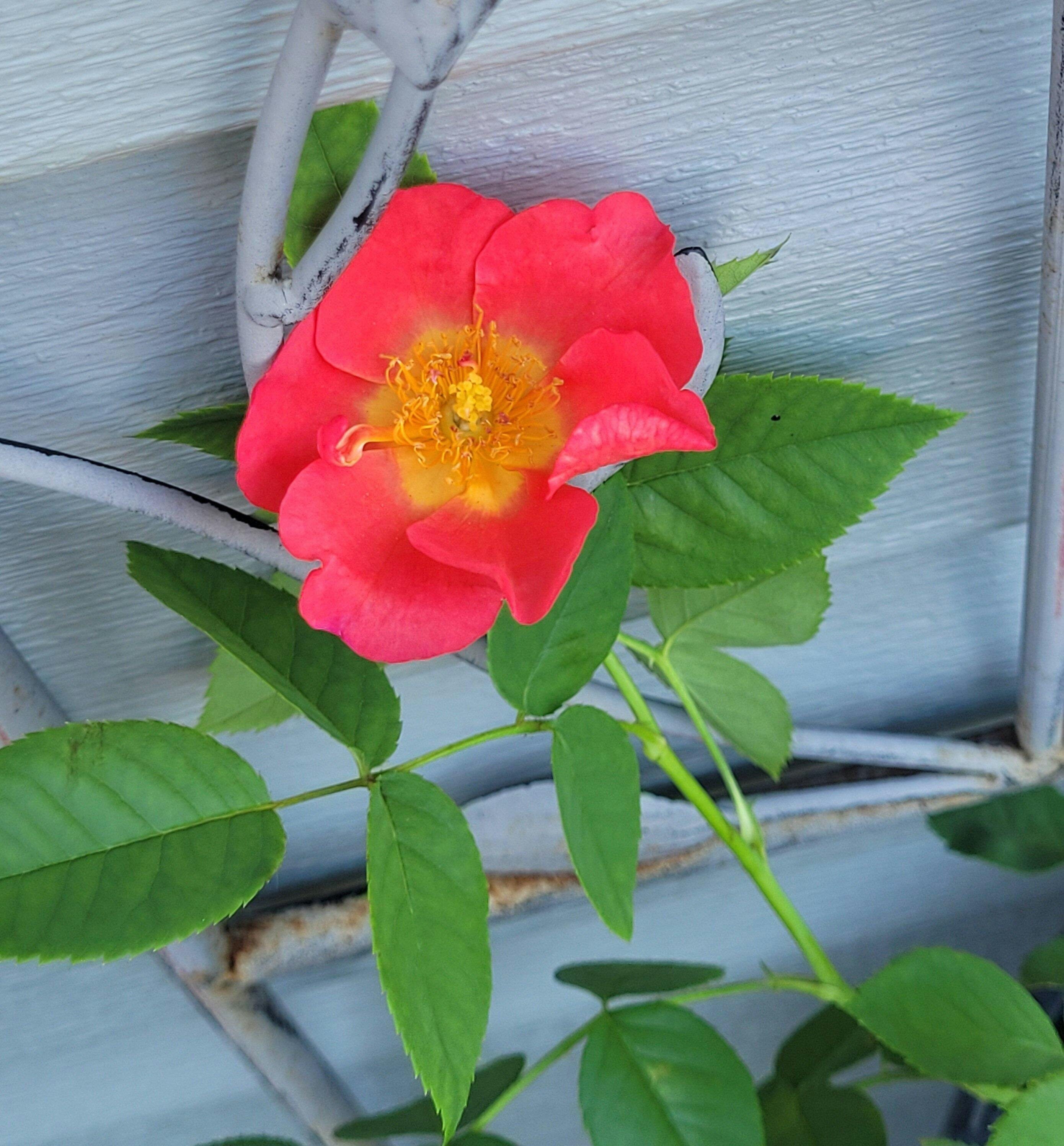
The multi-petal rose I ordered is not what I received. I will not make that mistake again.
We're sorry you're unsatisfied with your plants. Typically with young plants, they will allocate more energy into growing a strong root system in your garden. We are confident that this rose will bloom with double petaled roses the following season as it becomes more established. Our team of horticulture experts would love to take a closer look! Please contact us at claims@greatgardenplants.com with your order number and photos of the plants so we can better assist you. All orders are covered by our 60-day guarantee. We look forward to helping! https://bit.ly/ggp-guarantee
I didn't think I could grow roses, but this one is doing quite well! The soil isn't the best, and it's still thriving. I have made sure to use fertilizer as suggested and believe it will be even more beautiful next year!