


Upscale™ 'Pink Chenille' Bee Balm (Monarda)
Perennial
- Thrives in both moist and average soils.
- Long-blooming, native perennial.
- Great for mass or border plantings.
- Bright pink blooms are deer-resistant.
- Zones 4-8, sun/part sun, 22” tall x 20” wide at maturity
 ZONE
 EXPOSURE
 HEIGHT


Description
Details
Patent #: PPAF
Common name: Bee balm, horsemint
Zone: 4 - 8
Sun exposure: Sun, Part sun
Height x width: 20-22" tall X 18-22" wide
Flower color: Pink
Foliage color: Green
Bloom time: Summer
Features: Wet soils, space savers, rain gardens, rabbit & deer resistant, Proven Winners, native, heat tolerant, fragrant, cold tolerant
Uses: Accent, container gardening, edging, erosion control or embankment, ground cover, massing, rain garden, rock garden, under planting, waterside
How to Grow
Light: Full sun to partial sun
Water: Average to abundant, depending on weather. Established plants can tolerate dry conditions.
Spacing: Space at least 24-28" from other plants; good air circulation encourages healthy, vigorous growth.
Fertilizing: Little needed. If desired, apply a granular garden fertilizer in early spring, just as the soil begins to thaw.
Winterizing: No special care needed. Any old stems that persist after winter can be cut back in spring.
Maintenance & pruning: Remove spent blooms for better performance and looks. While not imperative, it results in a neater, showier plant.

Plant spacing is based on the ultimate width of the plants. This figure is normally given as a range; for example, 3-5’. If you live in a cold climate and/or want plants to fill in more quickly, plan to space at the shorter end of the range. If you live in a warm climate, are on a limited budget, or are willing to wait longer for plants to touch, use the higher end of the range. Using the larger number is recommended when calculating distance from a building or structure. There’s really no such thing as "maximum spacing": if you don’t want your plants to touch, you can space them as far apart as you’d like. All plant spacing is calculated on center, or in other words, the centers of the plants are spaced one half of their eventual width apart:

Unless you are planting in a straight line, as you might for hedges or edging, space your plants in a staggered or zig-zag pattern for a more interesting and naturalistic look:

Not sure just how many plants will fit in your garden? Our calculator gives you the exact amount of plants required for your space. Simply update the values and the calculator will re-calculate accordingly. Spacing information can be found in the 'How to Grow' tab on each plant's page.
The year I got them and planted they were not blooming much and later got leggy and looked poor but this year they multiplied like crazy and even though they not blooming yet, but look strong and healthy and I know they will be blooming beautifully. I recommend that plant
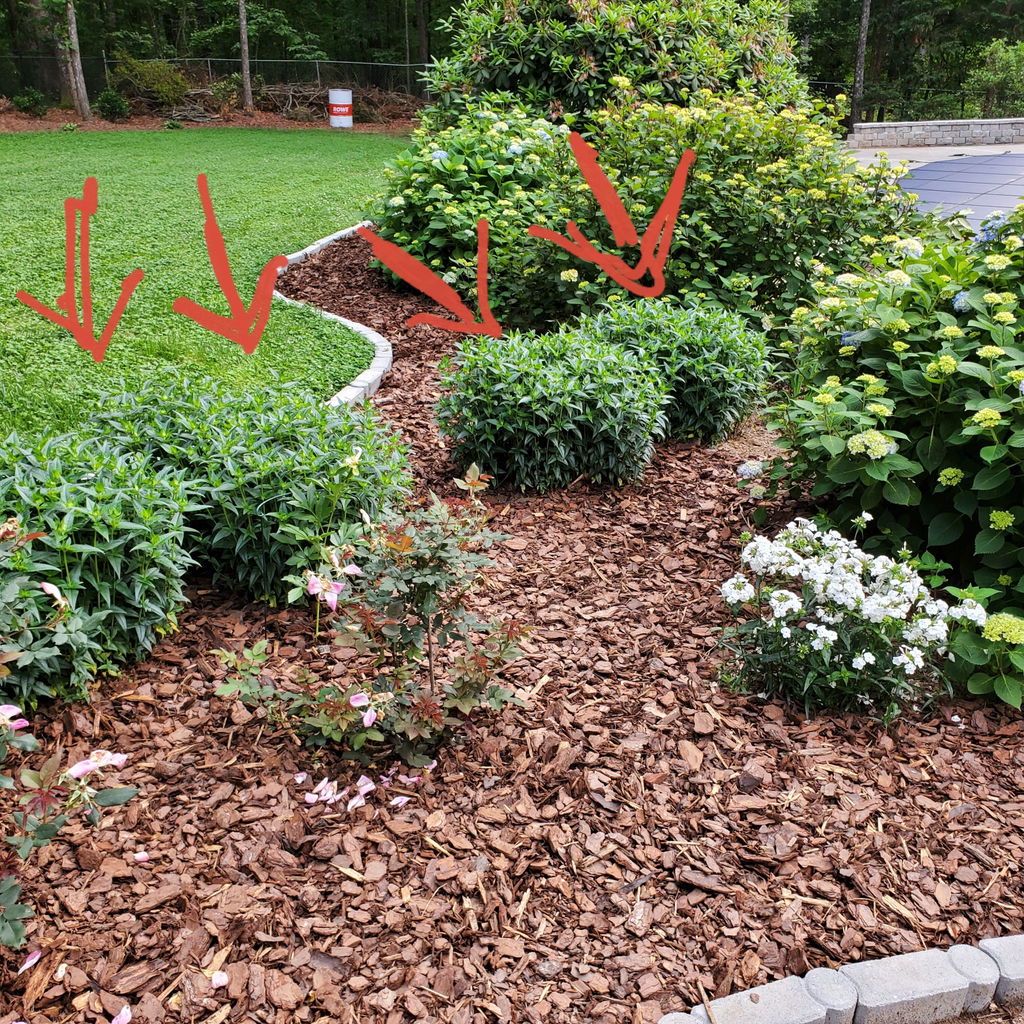
Monarda plant arrived in beautiful shape, good growth already! Thank you!
The plants were packed well and look healthy enough (they are planted so we will see) however, and this is a BIG however, they are the smallest plants I have ever purchased. They look like plants I purchased locally in the last week of April and I expected plants that were much more mature arriving at the end of May. A few were so small I argued with my husband whether he had planted them. I will see how they do but doubt I will order any more plants only to receive ones that look like seedlings.
We’re sorry you’re not satisfied with your plants! On each product page and our plant sizes page, we note that all of our plants are young. The size of our plants varies depending on the time of year and whether they were recently trimmed. The most important thing when purchasing plants, online or in garden centers, is a full and robust root system, which we prioritize. Trimming only encourages stronger root development! All orders are covered by our 60-day guarantee, so please reach out to [email protected] to start the claims process if necessary.
Excited to see it grow
I've ordered three separate times and all of the plants have been robust and ready to plant. Now, my garden is blooming and it's a beautiful sight!
I’m disappointed my plants that I ordered have not blossomed yet nor have they grown very much.
Thank you for your feedback! It’s surprisingly normal for newly transplanted plants to appear like they aren’t growing. That’s because most of the growth occurs below ground in their first year as they allocate more energy to root development. Once your plant is established, it will start investing more in shoot and flower development. To learn more about how plants “sleep, creep, and leap”, read our FAQ here: https://bit.ly/FAQ-plant-growth
Healthy on arrival, but I don’t like their packaging for shipping. It took an hour and a half to get all the plastic that was stapled onto the container containers off of the plants that I ordered.
Product arrived on time as expected…everything took well as planting instructions were clear and easy. Can’t wait for them to flower!
Ordered from Great Garden Plants about 4 or 5 times and have been really pleased with how the plants are packaged and the information sent with plants on where to plant them and how to plant them. The plants I have just ordered are thriving!!
This is my first bee balm. I love it!
What time of year to order and plant in Rhode island?
Spring and fall are generally the best times to plant. The rule of thumb is to plant after the threat of frost has passed in your area in spring or at least six weeks before the first hard frost of fall in your area. You can learn more about frost dates here: https://blog.greatgardenplants.com/frost-dates-explained-gardening-for-each-zone-in-spring-fall/
Do you cut the "Pink Chenille Upscale" back to the ground in Michigan Fall?
Hi! Bee balm (or Monarda) is susceptible to powdery mildew, especially during damp fall months. To prevent the disease from returning the following year, we suggest cutting the plants back in the fall and removing any debris – no matter the variety! It will give your plants a clean start next season.
Learn more in our Perennials To Cut Back In Fall blog:
https://blog.greatgardenplants.com/10-perennials-you-can-cut-back-in-fall-10-you-shouldnt/
After blooming, do the bee balm need to be deadheaded
Hi there! Yes, you can remove spent blooms for better performance and looks. While not imperative, it results in a neater, showier plant.
I heard they pop up the following year, not where they were planted. Could this be true or is it just that the seeds are carried all over?
Hi! Bee balm is known for its ability to self-sow and spread by underground rhizomes. This can sometimes result in plants popping up in new locations in the following year.
The spread is not typically due to seeds being carried all over; instead, it's more likely the result of the plant's natural reproduction and spreading habits. To maintain your desired garden design, you may want to keep an eye on where new shoots appear and manage them as needed. This can involve dividing the plants every few years to prevent them from taking over areas where you might not want them.