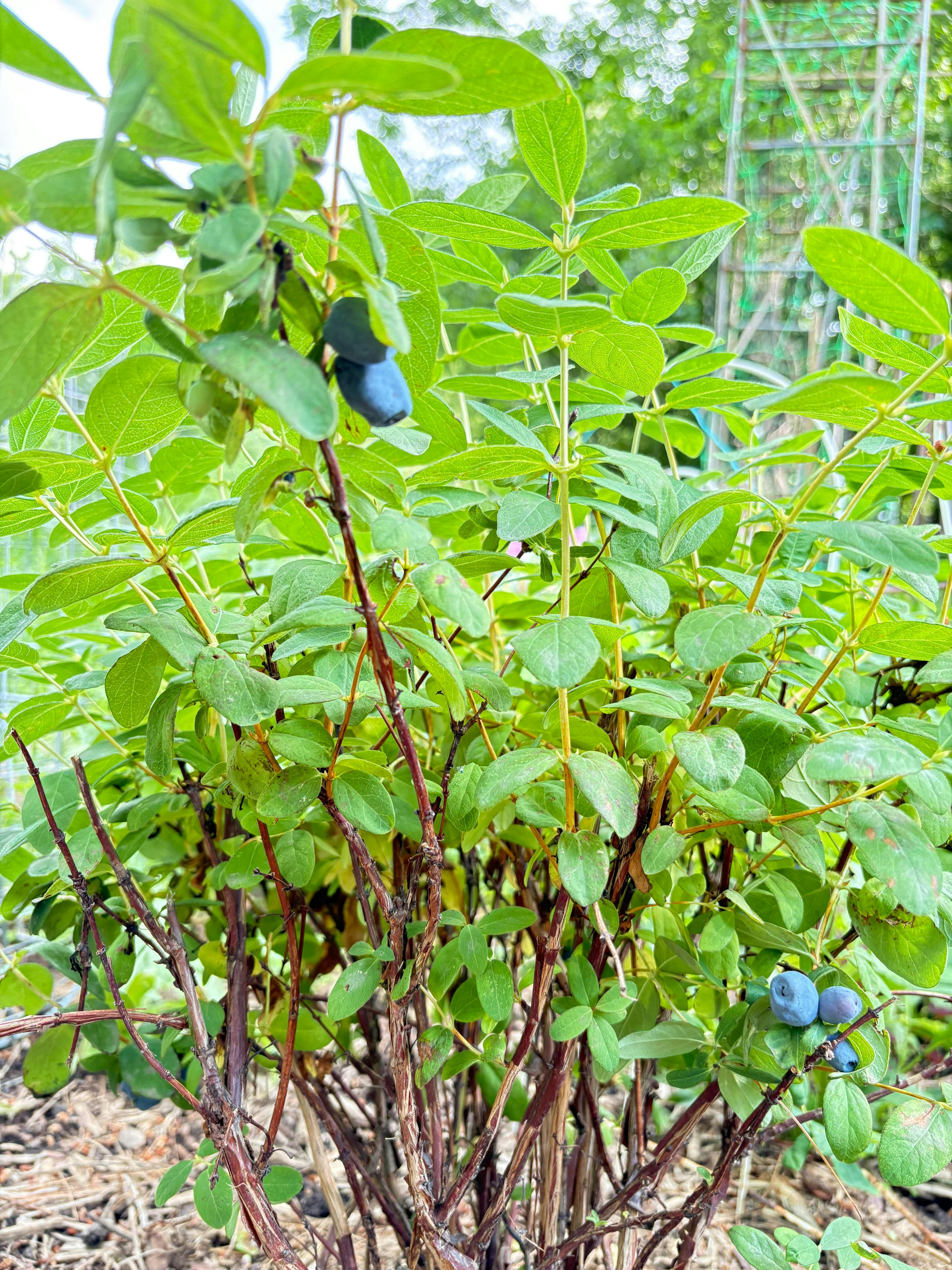
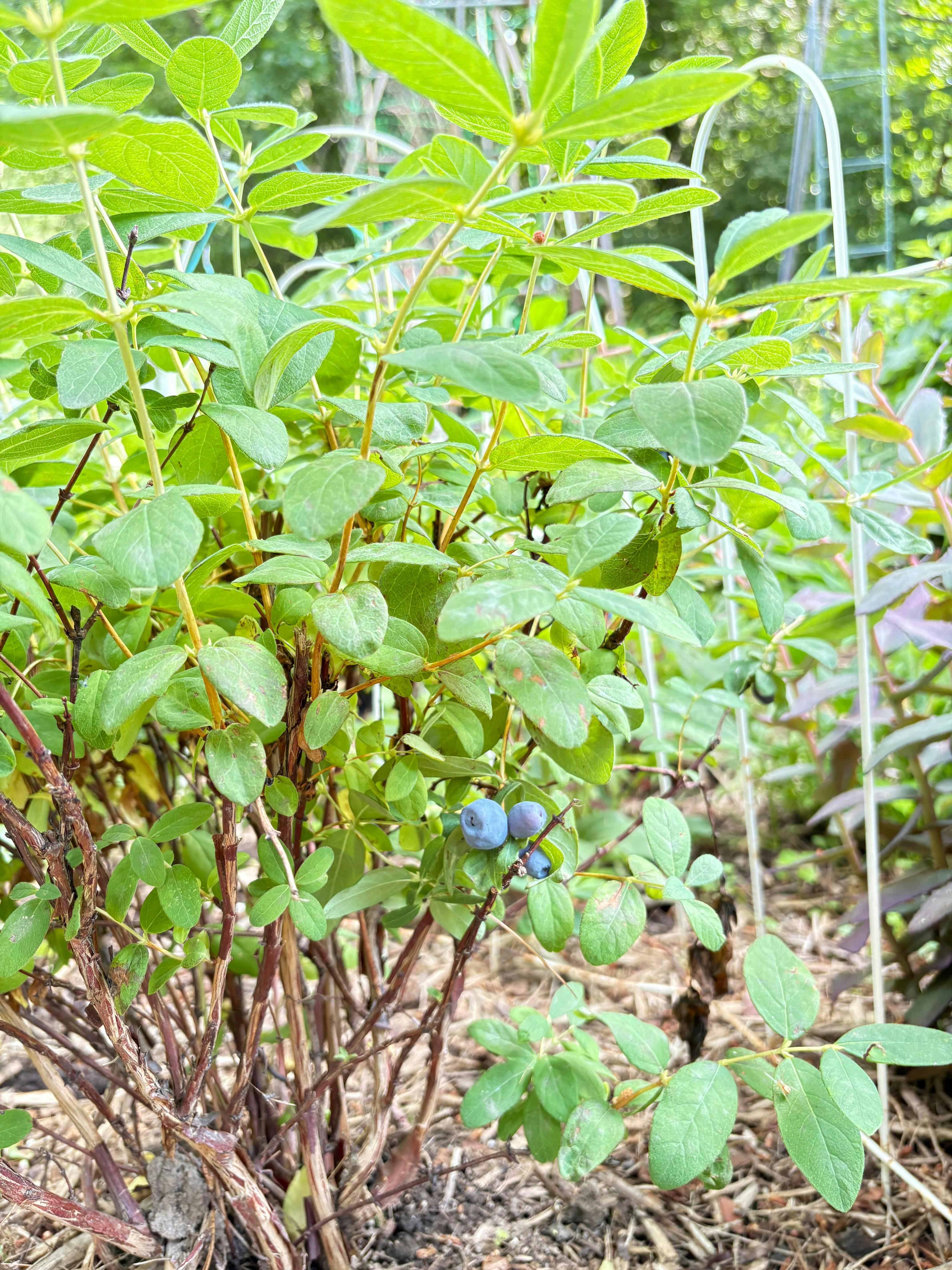
All media depicts mature plants.

Yezberry® Solo™ Japanese Haskap (Lonicera)

Shrub

6 total reviews

  • Edible berries to enjoy in summer!
  • Deer resistant.
  • Extremely cold tolerant.
  • Zones 3-7, sun/part sun, 6' tall x 6' wide at maturity.
    • ZONE
    • EXPOSURE
    • HEIGHT
    Size: One Quart
    Regular price $33.00
    Sale price Sale: $33.00 Regular price Each
    Total: $33.00
    Shipping calculated at checkout.
    Notify Me When Available
    Hand-Picked at Our Greenhouse
    Shipped to Your Door
    Arrives as a Young Plant
    60 Day Risk-Free Guarantee
    Hand-Picked at Our Greenhouse
    Shipped to Your Door
    Arrives as a Young Plant
    60 Day Risk-Free Guarantee
    Hand-Picked at Our Greenhouse
    Shipped to Your Door
    Arrives as a Young Plant
    60 Day Risk-Free Guarantee
    Hand-Picked at Our Greenhouse
    Shipped to Your Door
    Arrives as a Young Plant
    60 Day Risk-Free Guarantee
    Hand-Picked at Our Greenhouse
    Shipped to Your Door
    Arrives as a Young Plant
    60 Day Risk-Free Guarantee
    Hand-Picked at Our Greenhouse
    Shipped to Your Door
    Arrives as a Young Plant
    60 Day Risk-Free Guarantee

    Description

    The dream of having your own plant full of sweet, delicious fruit is just a click away! Yezberry Solo Japanese haskap (Lonicera caerulea) is a truly easy-to-grow, truly delicious fruiting shrub. One of the very first things to bloom in spring, the tubular yellow flowers sustain pollinators when little else is available. They soon develop into green berries, which turn blue as they ripen in summer. There's no special soil, pruning, spraying, or know-how required to grow them! How do the berries taste? A bit like a cross between a raspberry and a blueberry, though they aren't related to either of those notoriously-finicky-to-grow plants. They have the sweetness of a raspberry with a hint of pleasant tartness. We also love that the skin kind of dissolves when you eat them - it doesn't come off and stick to your teeth like a blueberry does. The seeds are tiny but don't get stuck in your teeth like raspberries. They are delicious and definitely worth growing! Note: Yezberry Solo haskap will set fruit, even without a pollinator nearby. However, it will set more fruit, and bigger fruit, if another of the other Yezberry varieties is planted within 50'. Plus, both plants will get fruit!

    Details

    Botanical Name: Lonicera caerulea 'Kapu
    Patent: PP26820
    Common Name: Japanese Haskap
    Zone: 3-7
    Sun Exposure: Full sun (6+ hrs/day), part sun (4-6 hrs/day)
    Height x Width: 5-6' x 5-6'
    Flower Color: Yellow
    Foliage Color: Green
    Bloom time:Spring
    Features: Proven Winners, edible, native, deer resistant
    Season of Interest: Summer
    Uses: Screening, mass planting

    How to Grow

    Soil: Moist but well-drained soils are best. Can tolerate some dryness once established.
    Light: Full sun (6+ hrs/day), part sun (4-6 hrs/day)
    Water:  Average. For best fruit quality, plants should not experience water stress - either too much or too little - from bloom time through harvest.
    Spacing: 3-4', plant any two Yezberry® haskaps within 25' of one another for best fruit to set.
    Fertilizing: Little needed. If desired, fertilize in early spring, once the ground has thawed, with a granular rose fertilizer.
    Winterizing: A good 2-3" layer of mulch is recommended.
    Maintenance & Pruning: Plants should not be pruned until they have spent 3 years in ground and then immediately after harvest ONLY. HARVESTING -berries begin to ripen in early summer, around the same time as strawberries. They turn dark blue before they have reached peak sweetness, so taste a berry for flavor before proceeding with harvest. If not sweet enough, wait a few more days.
     

    Our Guide for Fall Planting

    The start of fall may signal the gardening season is coming to a close, but it’s not over yet! There is still plenty of time to enjoy colorful flowers and foliage or even sprinkle in some new perennials and shrubs before winter arrives.

    Grow with confidence

    Plant spacing is based on the ultimate width of the plants. This figure is normally given as a range; for example, 3-5’. If you live in a cold climate and/or want plants to fill in more quickly, plan to space at the shorter end of the range. If you live in a warm climate, are on a limited budget, or are willing to wait longer for plants to touch, use the higher end of the range. Using the larger number is recommended when calculating distance from a building or structure. There’s really no such thing as "maximum spacing": if you don’t want your plants to touch, you can space them as far apart as you’d like. All plant spacing is calculated on center, or in other words, the centers of the plants are spaced one half of their eventual width apart:

    bush distance

    Unless you are planting in a straight line, as you might for hedges or edging, space your plants in a staggered or zig-zag pattern for a more interesting and naturalistic look:

    bush distance zigzag

    Not sure just how many plants will fit in your garden? Our calculator gives you the exact amount of plants required for your space. Simply update the values and the calculator will re-calculate accordingly. Spacing information can be found in the 'How to Grow' tab on each plant's page.
    Plant Spacing Calculator

    ft
    ft
    in
    Plants Needed
    Enter your dimensions above
    Grid preview will appear here showing preview

    Recently Viewed