


'Little Redhead' Spigelia
Perennial
- Easy to grow, native perennial with charming red flowers.
- Highly attractive to hummingbirds!
- Adds unique interest to cut flower arrangements.
- Zones 5b-9, Part sun to sun, 28″ x 24″ tall and wide at maturity.
 ZONE
 EXPOSURE
 HEIGHT


Description
Details
Common name: Spigelia, Indian pink
Zone: 5b-9
Sun exposure: Sun (> 6 hours sun), part sun (4-6 hours sun)
Height x width: 24-28″ x 20-24″
Foliage color: Green
Flower color: Red
Bloom time: Late spring, early summer, midsummer
Features: Wet soils, rare & unusual, rain gardens, native, heat tolerant, container plants, best for beginners
Uses: Container plant, cut flower, specimen, native gardens, mixed borders
How to Grow
Light: Can be grown in full shade but displays best flowers under full sun to part sun.
Water: Average water needs.
Spacing: 2ft apart
Fertilizing: No special care is required. Apply fertilizer as needed.
Winterizing: No special care is needed.
Maintenance & Pruning: Remove dead or damaged foliage in spring. Lightly prune after initial blooming period. Divide in spring, we do not recommend transplanting once this plant is fully established.

Plant spacing is based on the ultimate width of the plants. This figure is normally given as a range; for example, 3-5’. If you live in a cold climate and/or want plants to fill in more quickly, plan to space at the shorter end of the range. If you live in a warm climate, are on a limited budget, or are willing to wait longer for plants to touch, use the higher end of the range. Using the larger number is recommended when calculating distance from a building or structure. There’s really no such thing as "maximum spacing": if you don’t want your plants to touch, you can space them as far apart as you’d like. All plant spacing is calculated on center, or in other words, the centers of the plants are spaced one half of their eventual width apart:

Unless you are planting in a straight line, as you might for hedges or edging, space your plants in a staggered or zig-zag pattern for a more interesting and naturalistic look:

Not sure just how many plants will fit in your garden? Our calculator gives you the exact amount of plants required for your space. Simply update the values and the calculator will re-calculate accordingly. Spacing information can be found in the 'How to Grow' tab on each plant's page.
The plant is beautiful, but for 17.99 I only got 1 stalk. Then to add 17.99 more for shipping. That's crazy.
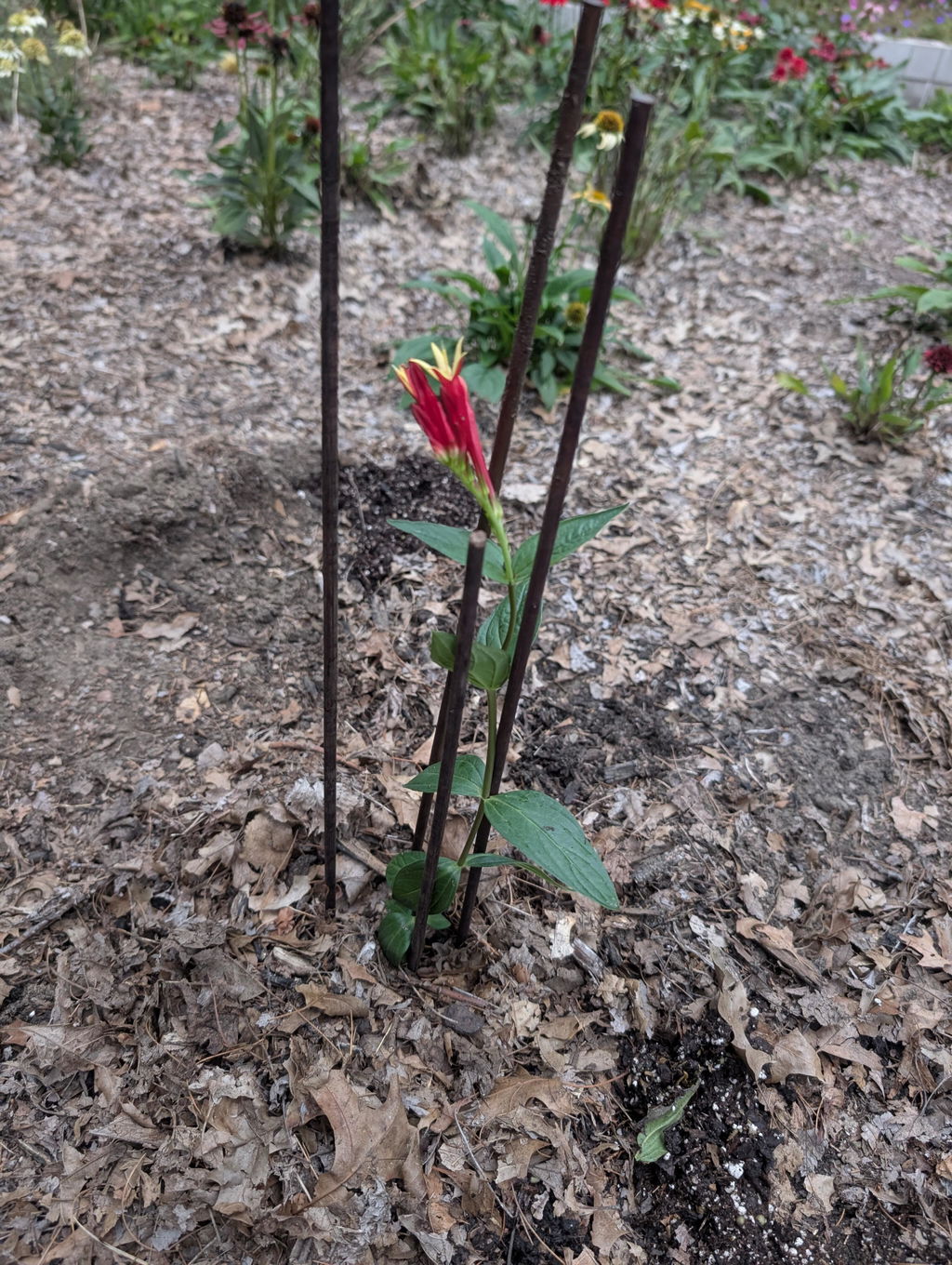
Thank you for your feedback! It’s surprisingly normal for newly transplanted plants to appear like they aren’t growing. That’s because most of the growth occurs below ground in their first year as they allocate more energy to root development. Once your plant is established, it will start investing more in shoot and flower development. To learn more about how plants “sleep, creep, and leap”, read our FAQ here: https://bit.ly/FAQ-plant-growth
Arrived fairly beat up despite excellent packaging but bounced right back. After rehydration and about a week of rest under lights I planted it outside and after three more weeks it began flowering!
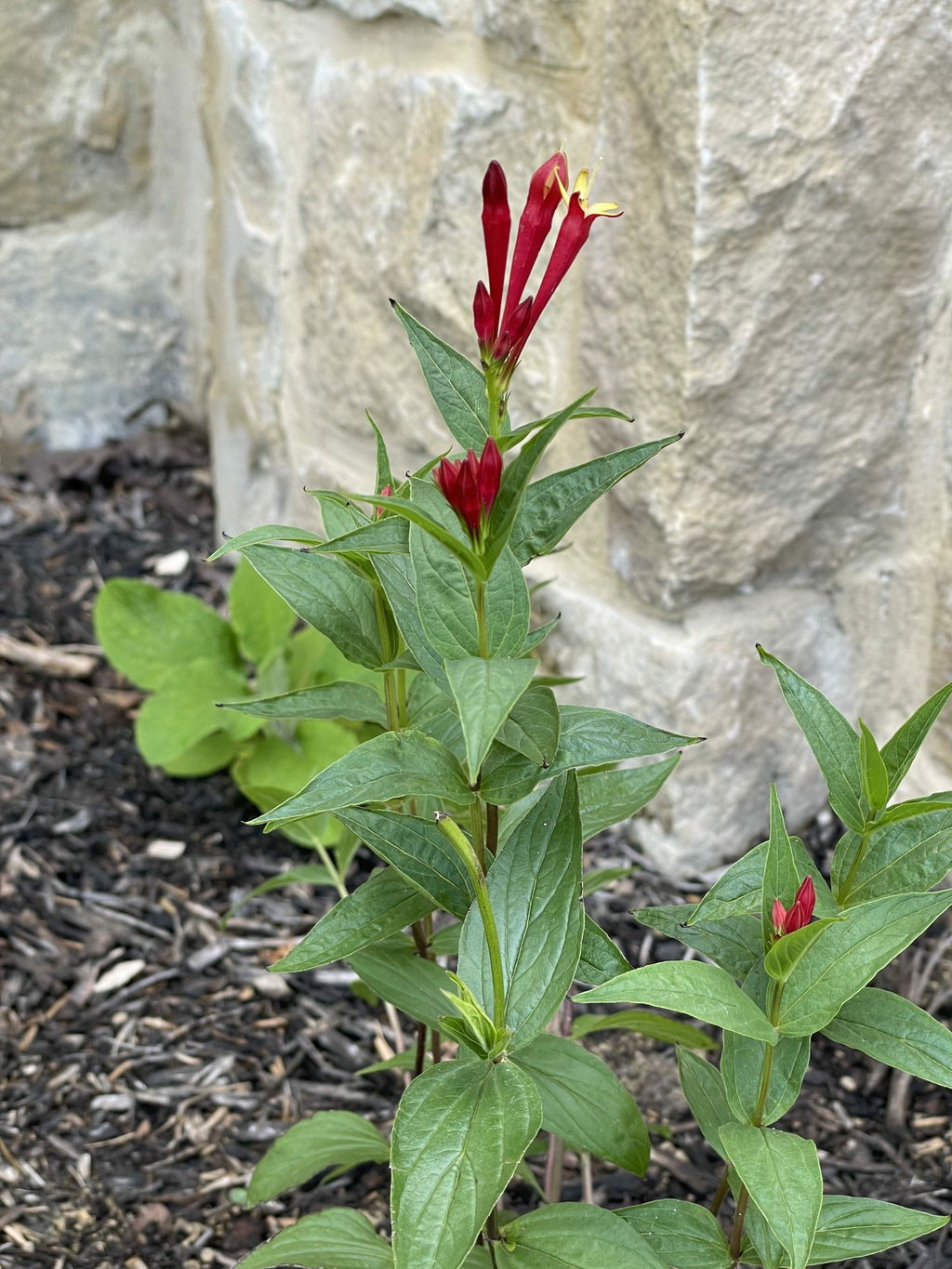
The plant arrived healthy and has a flower bud ready to bloom!
I too am disappointed with receiving spindly single … not sure what to call them as I ordered three… shoots for the extreme price and shipping cost…I should have read there reviews before ordering…disappointing…a nursery rhyme does not make up for it….
Looking forward to Spring!
The plant looks very sad. Not sure it will survive.
We’re sorry you’re having trouble with your plants! Our team of horticulture experts would love to take a closer look! Our fall guarantee covers plants received after September 1 until May 2025, so we have you covered. Please send your order number and pictures of your plants to [email protected] to start the claims process if necessary. We look forward to helping! https://bit.ly/ggp-guarantee
Plant arrived in good shape After one month growing and already blooming
I can't wait for this unseasonably cool weather to end in NY and look forward to planting them in my garden! I look forward to many years of enjoying them.
I just purchased one and I see what looks like seeds where the blooms died off, can these be planted?
Spigelia is a clump-forming, native perennial that can sporadically rebloom in the fall so you may want to leave those seeds alone. This will allow the spigelia to spread naturally in your landscape which is highly attractive to humminbirds!
How small is the plant when mailed? What is the best mix in the container.. what size container should I start with? If planted, how deep must the soil be? I have a modest amount of soil with clay deeper. When do you ship to Willamette Valley, OR ?
Hi there! Plant size varies widely depending on the variety that you purchase and the time of year. All of our plants are grown in a one quart container, some are offered in a one gallon pot or as landscape plugs. When planting, you'll want to make the hole as deep as the container the plants are in and twice as wide. To see our shipping schedule, follow this link: https://www.greatgardenplants.com/pages/shipping-policy
How close together do you plant each
Hello! The recommended spacing for this plant is 2 feet apart.
Can these be acted in the fall
Hello! Yes! Fall is a fantastic time for planting shrubs, trees, and perennials because the cooler temperatures and shorter days mean less water stress for the plant, and that means less work for you in terms of watering and monitoring your new plants. Just make sure to get them in the ground at least 6 weeks before the first hard frost in your area.
Question regarding LITTLE REDHEAD' SPIGELIA pruning and maintenance. What does it mean “ Divide in spring, we do not recommend transplanting once this plant is fully established.” I’m starting it in a 10” pot this season, planning to move it to 16-18” container as it gets larger. Are you advising against this? I’m confused.
Hello! Transplanting 'Little Redhead' Spigelia into a larger container as it grows should be fine, especially if it is not yet fully established. The advice against transplanting once established likely refers to the fact that some perennials, once settled in their spot, can be sensitive to root disturbance. This sensitivity can result in transplant shock, which can stress the plant.