Wreaths & More!


Description
Plant spacing is based on the ultimate width of the plants. This figure is normally given as a range; for example, 3-5’. If you live in a cold climate and/or want plants to fill in more quickly, plan to space at the shorter end of the range. If you live in a warm climate, are on a limited budget, or are willing to wait longer for plants to touch, use the higher end of the range. Using the larger number is recommended when calculating distance from a building or structure. There’s really no such thing as "maximum spacing": if you don’t want your plants to touch, you can space them as far apart as you’d like. All plant spacing is calculated on center, or in other words, the centers of the plants are spaced one half of their eventual width apart:

Unless you are planting in a straight line, as you might for hedges or edging, space your plants in a staggered or zig-zag pattern for a more interesting and naturalistic look:

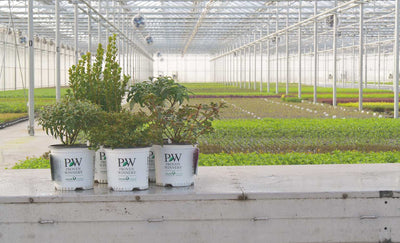
Hand-picked at our greenhouse
Shipped to your door
Arrives as young plant
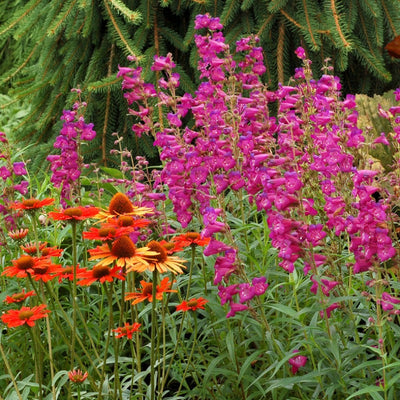
Looking for perennials that bloom for a long time but require minimal care? These long-bloomers extend the gardening season from vibrant pollinator favorites to unique beauties. Here are ten best-selling long-blooming perennial flowers that will make you look like a garden Rockstar and add beauty to your landscape year after year.
I purchased one plant, it had one unopened bud when it arrived ~ it is now loaded with buds and flowers ~ Beautiful!
Healthy large plants, starting growing and flowering about 2 weeks after planting. Much better than I had anticpated.
These are so lovely and work horses in the garden!
Alteady blooming away!
I was a bit disappointed about the 1 plant it was pretty sad. I put it in the ground to see if it will winter over
We’re sorry you’re having trouble with your plants! Our team of horticulture experts would love to take a closer look! Our fall guarantee covers plants received after September 1 until May 2025, so we have you covered. Please send your order number and pictures of your plants to claims@greatgardenplants.com to start the claims process if necessary. We look forward to helping! https://bit.ly/ggp-guarantee
Only two of the three plants was healthy. The other one did not look healthy, the soil was dry(compared the other two), and I think it will not survive. Disappointing
We’re sorry you’re having trouble with your plants! Our team of horticulture experts would love to take a closer look! Our fall guarantee covers plants received after September 1 until May 2025, so we have you covered. Please send your order number and pictures of your plants to claims@greatgardenplants.com to start the claims process if necessary. We look forward to helping! https://bit.ly/ggp-guarantee