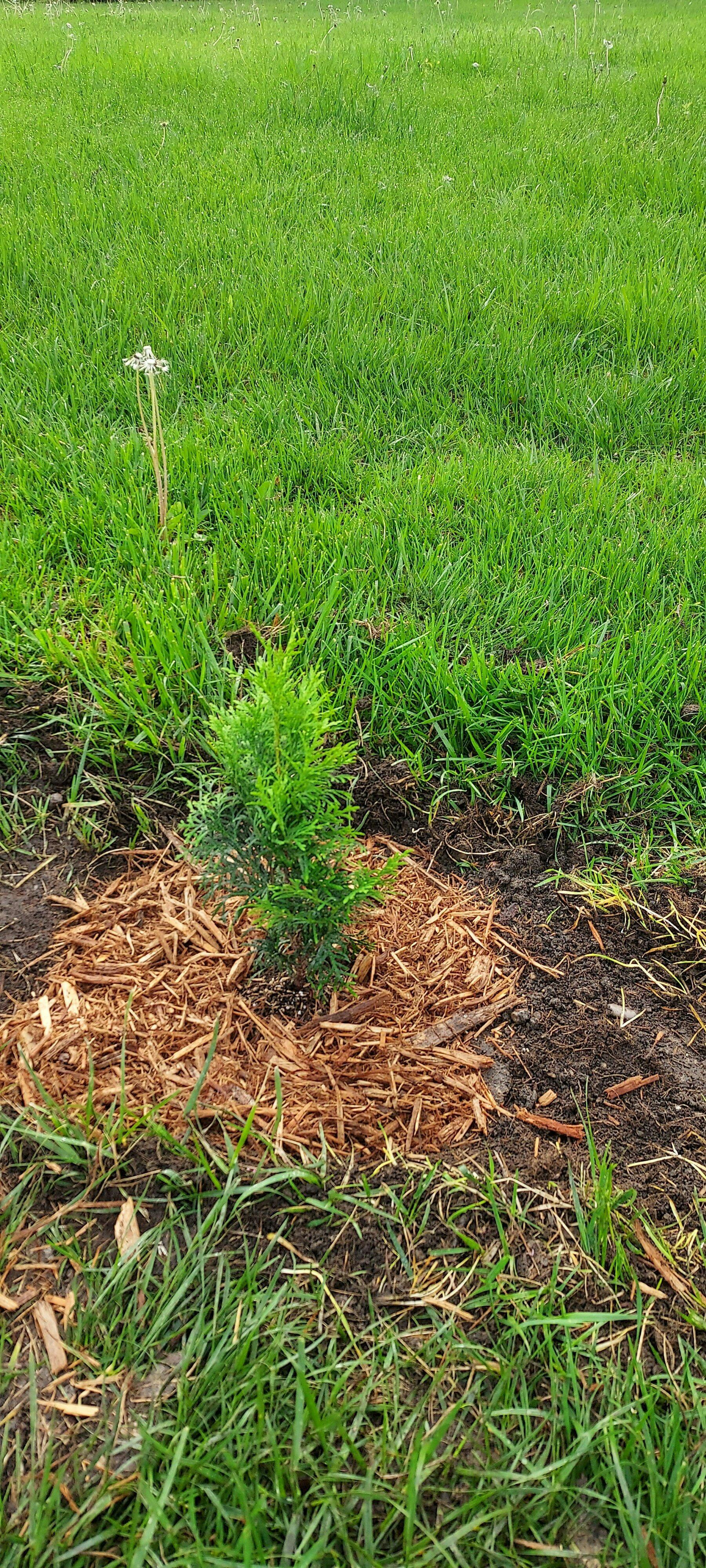
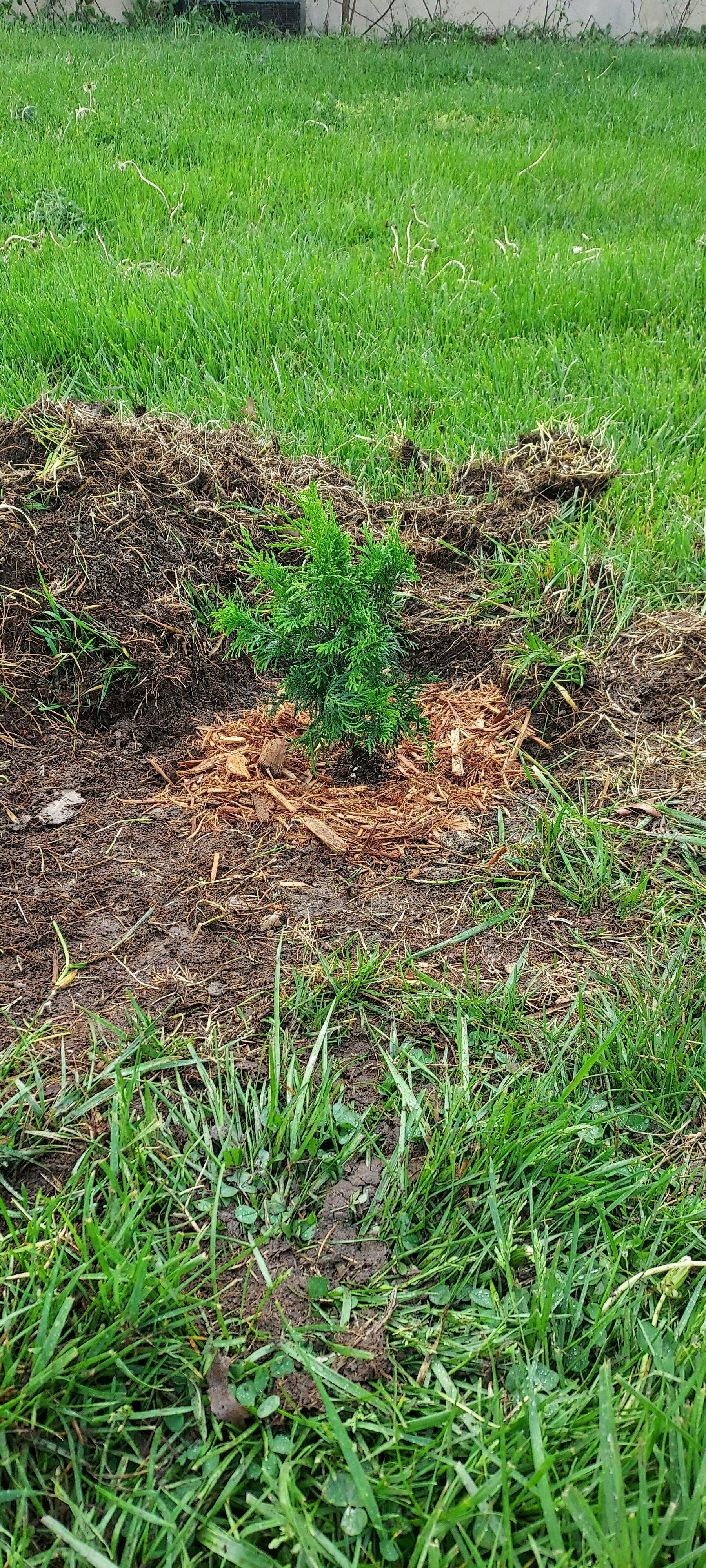
North Pole® Arborvitae (Thuja)
Shrub
- Space-saving evergreen takes up just a fraction of the space!
- Native evergreen with hardy, fragrant foliage.
- Naturally grows as a dense, narrow column.
- Best-selling Proven Winners ColorChoice shrub.
- Zones 3-8, sun/part sun, 15' tall x 5' wide at maturity.
 ZONE
ZONE
 EXPOSURE
 HEIGHT


Description
Details
Patent #: PP 22,174
Common name: Arborvitae, Eastern red cedar
Zone: 3 -8
Sun exposure: Full sun (6+ hours sun) to part-sun (4-6 hours sun)
Height x width: 10-15' tall x 3-5' wide
Flower color: Evergreen conifer, does not flower
Foliage color: Green
Season of interest: Year-round
Bloom time: Evergreen
Features: Space savers, Proven Winners, privacy & screening, native, evergreens, cold tolerant
Uses: Specimen, hedge, perennial gardens, landscaping
How to Grow
Light: Full sun (6 hrs direct light daily), Partial sun/shade (4-6 hrs light daily)
Water: Keep moist. Water 1 inch a week. Appreciates well-drained soil.
Spacing: 5 - 7 ft
Fertilizing: Top dress in spring with a slow-release, balanced fertilizer.
Winterizing: Consider applying a thick mulch around the root zone in winter to protect it in exposed locations or colder zones. Tolerates wind once established and withstands heavy ice or snow. Darkens or bronzes slightly in the winter. Note -- The oldest interior branchlets on arborvitae usually turn brown and fall off in autumn. This aging process is different from drought stress, which on arborvitae appears on the tree outside the interior foliage as an abnormal yellowing or browning, known as flagging. This discoloration may not occur until a season or two after the drought stress was most severe.
Maintenance & Pruning: Requires little or no pruning but can be sheared easily if necessary. If pruning, avoid pruning in late summer or fall as pruning stimulates new growth, which can be easily damaged by fall and winter temperatures.

Plant spacing is based on the ultimate width of the plants. This figure is normally given as a range; for example, 3-5’. If you live in a cold climate and/or want plants to fill in more quickly, plan to space at the shorter end of the range. If you live in a warm climate, are on a limited budget, or are willing to wait longer for plants to touch, use the higher end of the range. Using the larger number is recommended when calculating distance from a building or structure. There’s really no such thing as "maximum spacing": if you don’t want your plants to touch, you can space them as far apart as you’d like. All plant spacing is calculated on center, or in other words, the centers of the plants are spaced one half of their eventual width apart:

Unless you are planting in a straight line, as you might for hedges or edging, space your plants in a staggered or zig-zag pattern for a more interesting and naturalistic look:

Not sure just how many plants will fit in your garden? Our calculator gives you the exact amount of plants required for your space. Simply update the values and the calculator will re-calculate accordingly. Spacing information can be found in the 'How to Grow' tab on each plant's page.