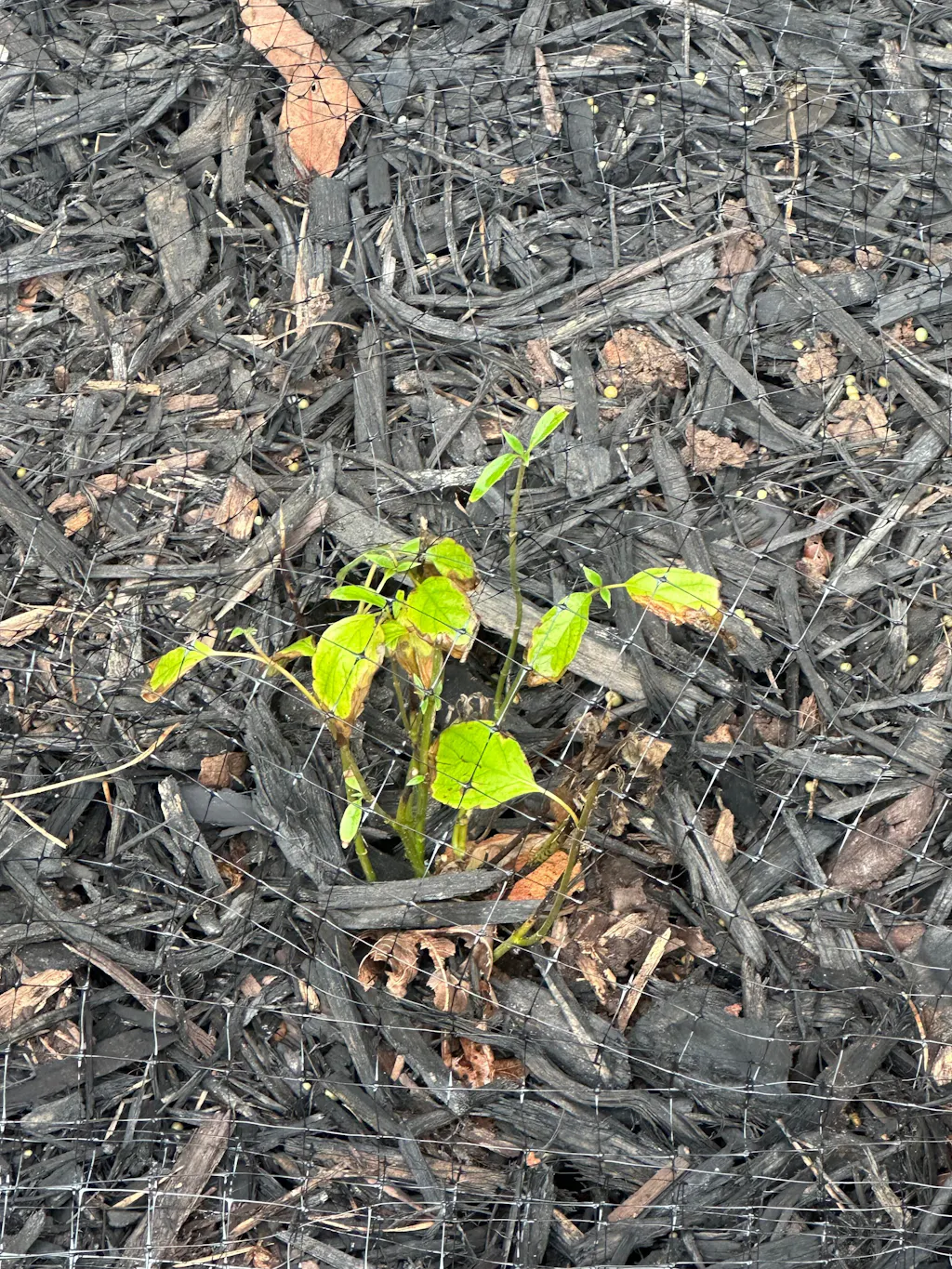
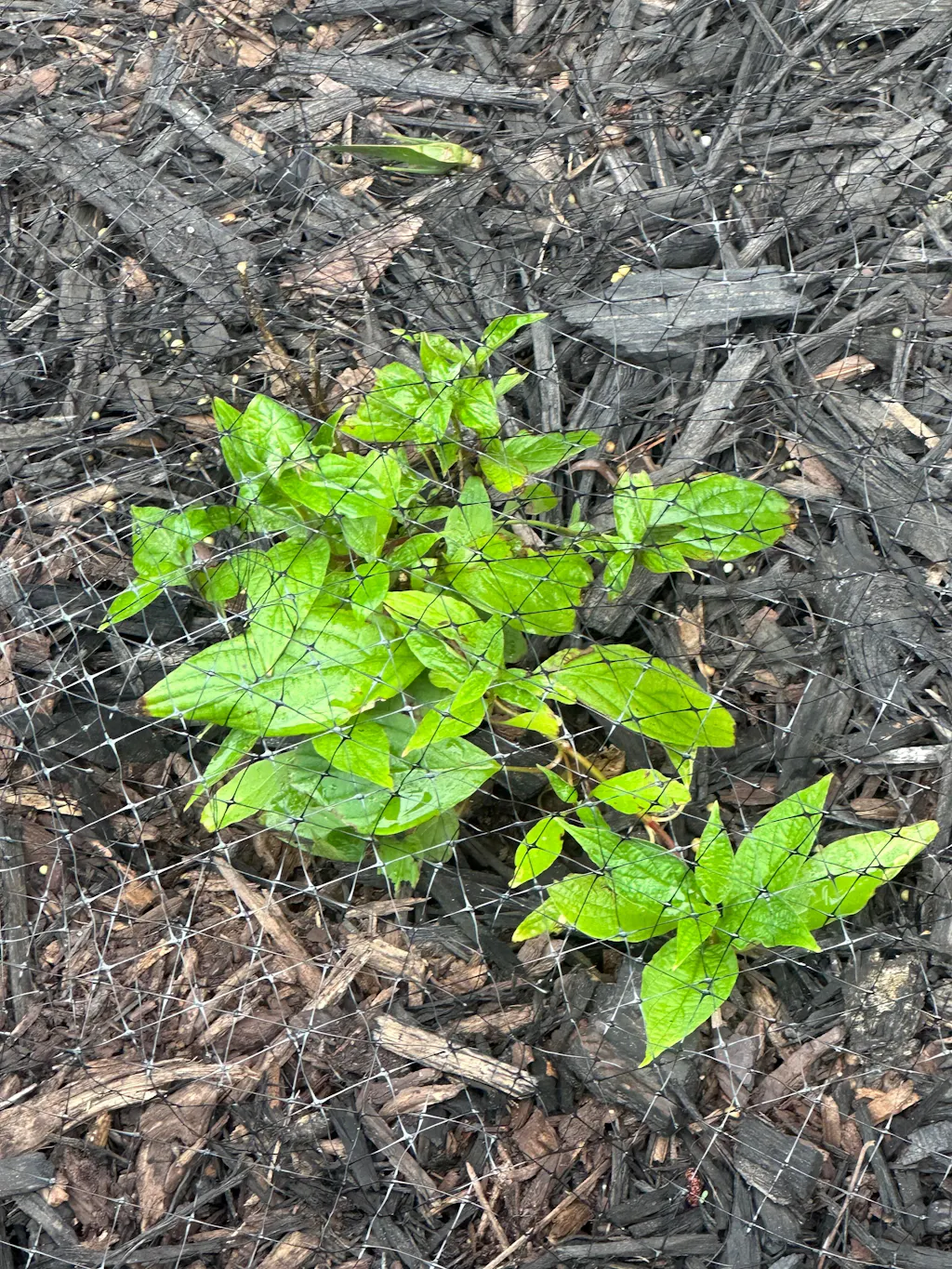
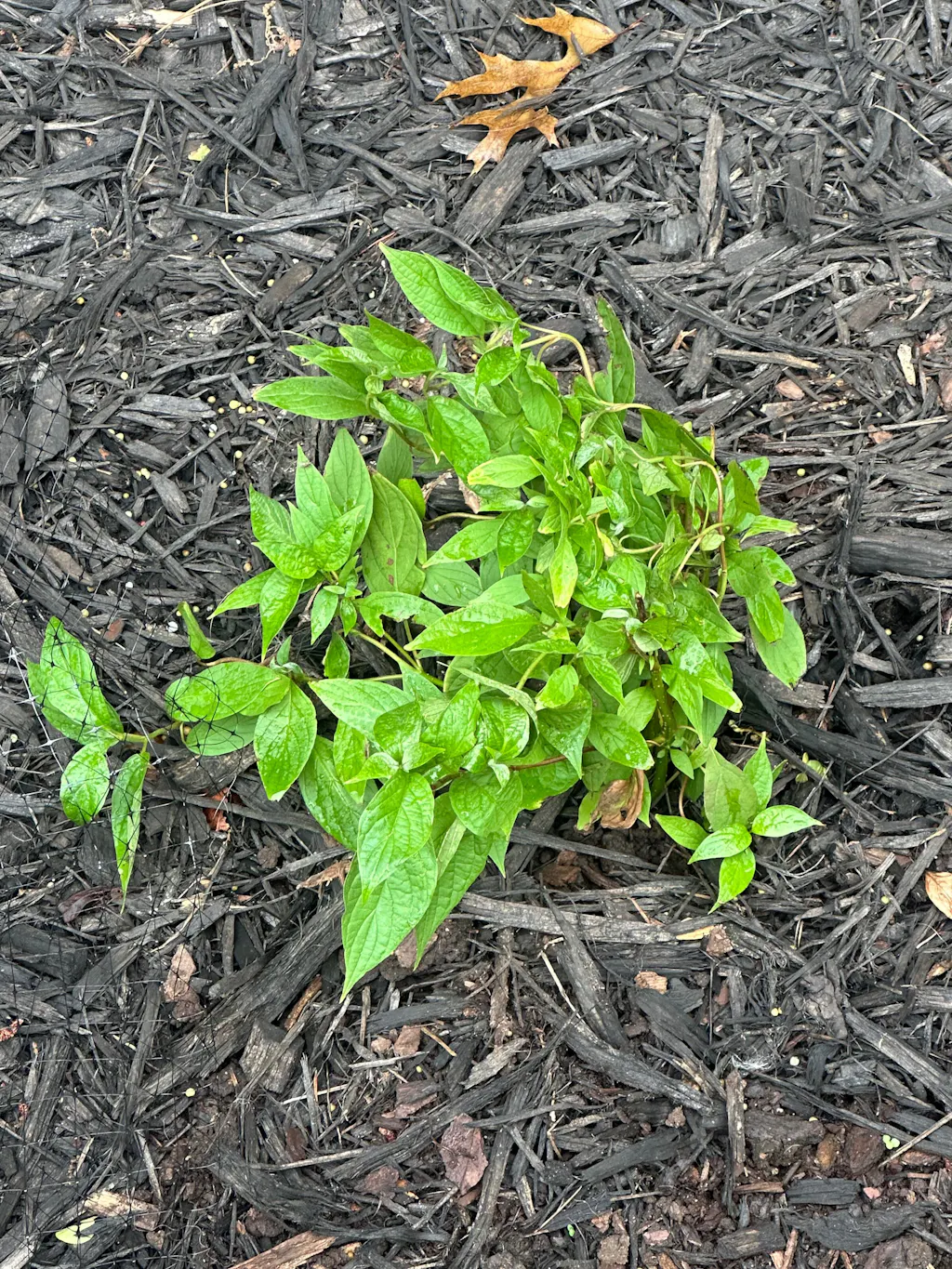
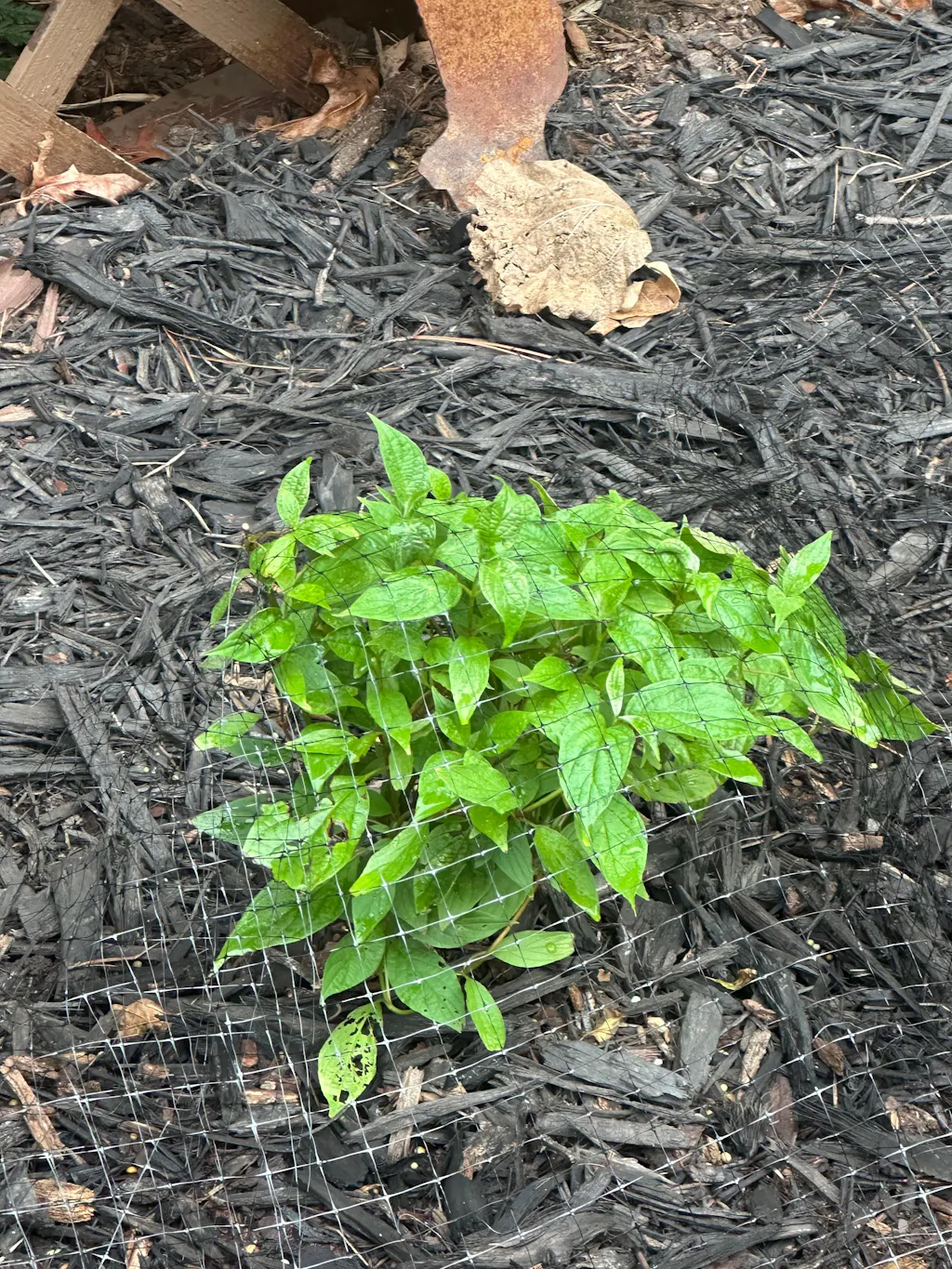
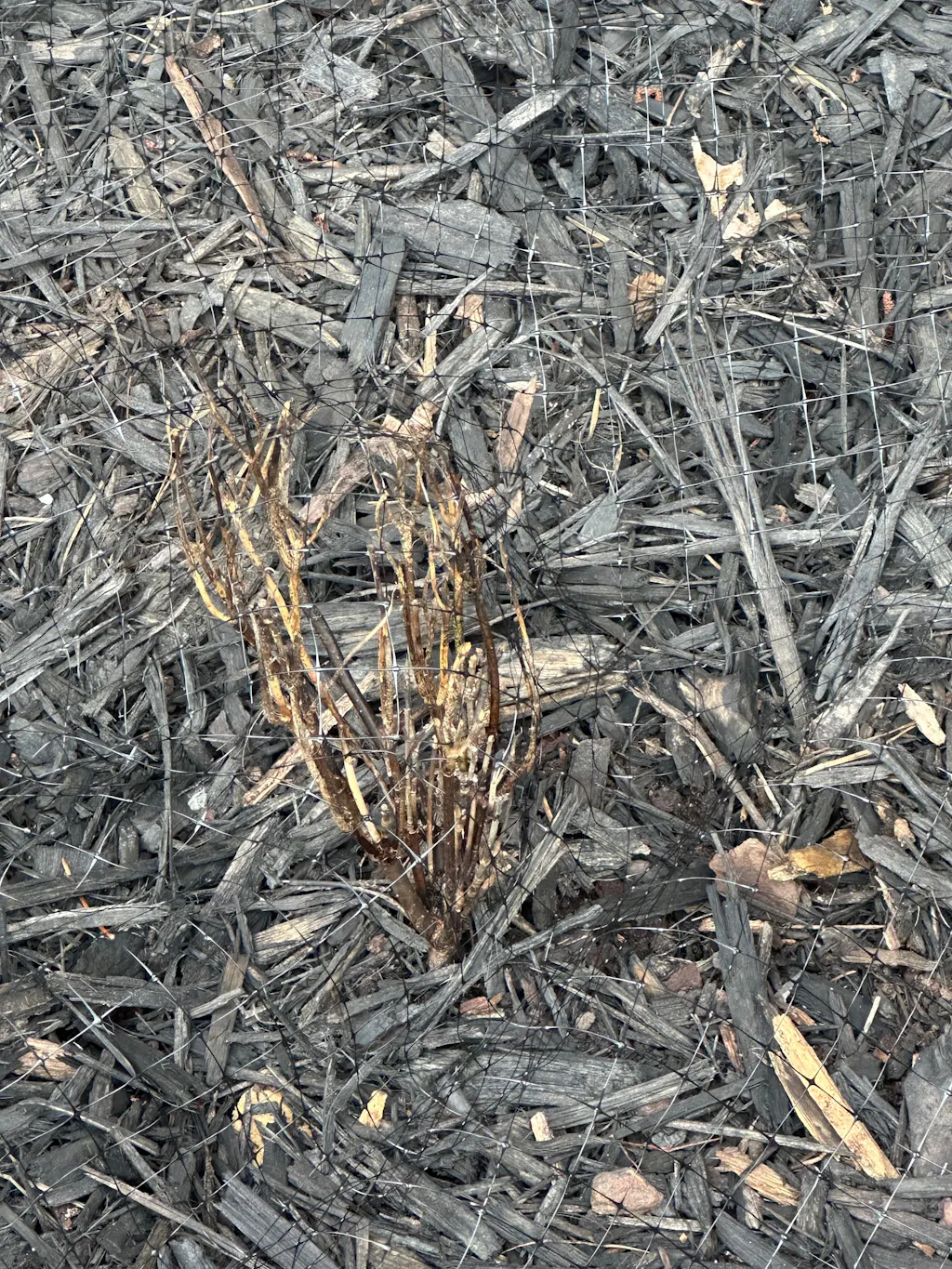
Arctic Fire® Red Red-Twig Dogwood (Cornus)
Shrub
- Proven Winners plant with stunning red stems in winter for arrangements!
- Does not sucker like other types.
- Attracts wildlife from spring through winter.
- Deer, rabbit, and disease resistant.
- Zones 2-7, sun/part sun/shade, 5′ tall x 5′ wide at maturity.
 ZONE
ZONE
 EXPOSURE
 HEIGHT


Description
Details
Patent #: USPP 18,523
Common name: Red twig dogwood
Zone: 2 - 7
Sun exposure: Sun (6+ hours sun) to part-sun (4-6 hours sun)
Height x width: 3-5' tall x 3-5' wide
Flower color: White
Foliage color: Green
Season of Interest: Winter
Bloom time: Spring
Features: Fall interest, winter interest, wet soils, suitable for slopes, Proven Winners, native, drought tolerant, deer resistant, cold tolerant
Uses: Accent, background, border, erosion control or embankment, foundation, hedge, massing, naturalizing, rain garden, slopes, specimen, waterside, woodland.
How to Grow
Light: Sun/part sun/shade. Will grow and survive in deep shade, but will not flower strongly, nor will its winter color be quite as vivid as if it gets some sun.
Water: Readily tolerates wet conditions and is often found growing on river banks and lakeshores in the wild. Established plants can tolerate some drought, but extreme drought may compromise aesthetics.
Spacing: 5-6' apart
Fertilizing: Supplemental fertilizer is not required. However, if you want faster growth, apply a granular rose or garden fertilizer in early spring, then again in early summer if desired.
Winterizing: No special care needed. A 2-3" layer of shredded bark mulch is beneficial. Stems can be cut for decorations and arrangements if desired.
Maintenance & Pruning: The best stem color on red-twig dogwoods appears on stems that are one or two years old. As stems mature, they develop corky, bark-like growth that obscures the color. As such, plants should be pruned yearly or every other year once they're established (3-4 years after planting).
You can do this in one of two ways: one, by cutting the entire plant back to small stumps in early spring (note that this method removes flower buds; it also will leave you with no coverage for several weeks as the plant recovers. The second method involves removing one-third of the oldest growth each spring by nipping it out at the base.

Plant spacing is based on the ultimate width of the plants. This figure is normally given as a range; for example, 3-5’. If you live in a cold climate and/or want plants to fill in more quickly, plan to space at the shorter end of the range. If you live in a warm climate, are on a limited budget, or are willing to wait longer for plants to touch, use the higher end of the range. Using the larger number is recommended when calculating distance from a building or structure. There’s really no such thing as "maximum spacing": if you don’t want your plants to touch, you can space them as far apart as you’d like. All plant spacing is calculated on center, or in other words, the centers of the plants are spaced one half of their eventual width apart:

Unless you are planting in a straight line, as you might for hedges or edging, space your plants in a staggered or zig-zag pattern for a more interesting and naturalistic look:

Not sure just how many plants will fit in your garden? Our calculator gives you the exact amount of plants required for your space. Simply update the values and the calculator will re-calculate accordingly. Spacing information can be found in the 'How to Grow' tab on each plant's page.