Description
Plant spacing is based on the ultimate width of the plants. This figure is normally given as a range; for example, 3-5’. If you live in a cold climate and/or want plants to fill in more quickly, plan to space at the shorter end of the range. If you live in a warm climate, are on a limited budget, or are willing to wait longer for plants to touch, use the higher end of the range. Using the larger number is recommended when calculating distance from a building or structure. There’s really no such thing as "maximum spacing": if you don’t want your plants to touch, you can space them as far apart as you’d like. All plant spacing is calculated on center, or in other words, the centers of the plants are spaced one half of their eventual width apart:

Unless you are planting in a straight line, as you might for hedges or edging, space your plants in a staggered or zig-zag pattern for a more interesting and naturalistic look:

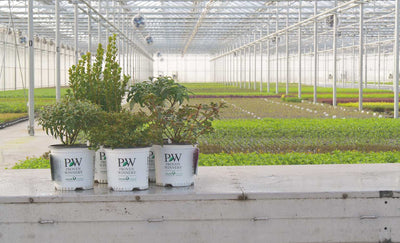
Hand-picked at our greenhouse
Shipped to your door
Arrives as young plant
Finding the right plants for your garden is crucial to achieving the garden of your dreams, and when it comes to plants that love the full sun (6+ hours of sun/day), there’s a wide variety of options to choose from. Here, you’ll find our list of our favorite full-sun garden plants.
Growing beautifully and filling in the spaces perfectly. Very excited the deer walk right past these!!! All other ‘resistant’ plants are nibbled except these! At last the beds are getting lovely.
Came to me healthy and beautiful. I am always pleased with their plants and they always thrive. Started blooming a week later after it was planted and still looks beautiful.
Just received these in FedEx mail. Well packed happy plants. Looking forward to putting them in the garden :)
It didn't survive the winter
We're sorry you're having trouble with your plants. Our team of horticulture experts would love to take a closer look! Please contact us at claims@greatgardenplants.com with your order number and photos of the plants so we can better assist you. Tickseed can be tricky sometimes becuse its new spring growth looks similar to grass. All orders are covered by our 60-day guarantee. We look forward to helping! https://bit.ly/ggp-guarantee
Shipping was prompt and plant was very healthy. It already has buds on it. Can't wait until they open up!


We will notify you on events like Low stock, Restock, Price drop or general reminders so that you don’t miss the deal