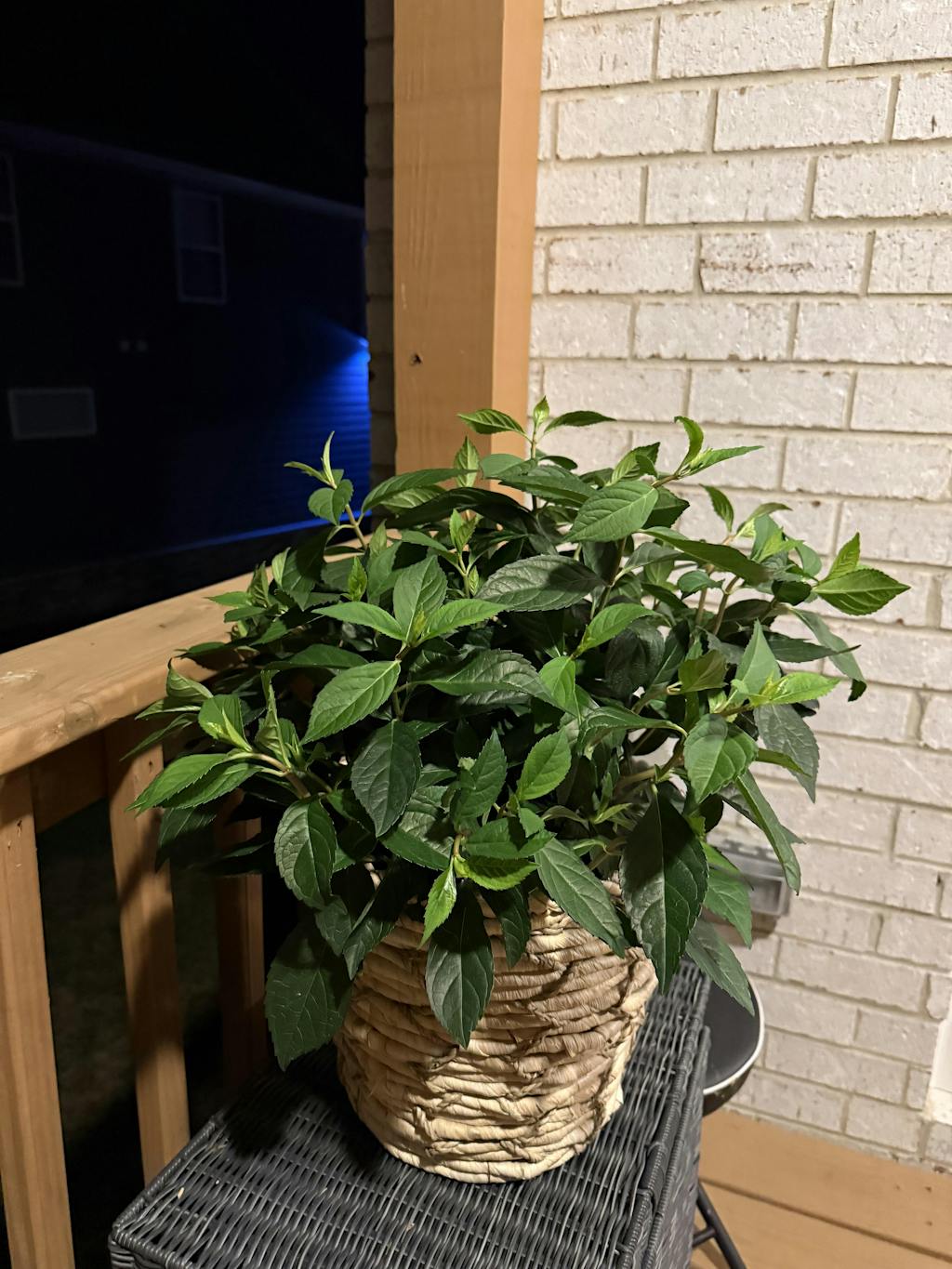
Fairytrail Fresco™ Cascade Hydrangea
Shrub
- Gorgeous cascading blooms in an array of pink & blue hues!
- Award-winning hydrangea series noted for its late spring blooming time.
- Green foliage transitions to a rich red color come fall.
- Heat-tolerant, adaptable, & great for container gardeners.
- Zones 5-9, part sun, up to 3.5-4′ tall x 4.5′ wide at maturity.
 ZONE
ZONE
 EXPOSURE
 HEIGHT


Description
Cascade hydrangeas are ideal for mixed beds, containers, and hanging baskets. Their graceful horizontal stems spill flowers freely all around the shrub. A unique hybrid, the cascade hydrangea achieves its distinctiveness through different varieties, enhancing both flower power and bud set. They bloom on old wood and are not cold-hardy, so avoid pruning and consider protecting your shrubs in frigid temperatures. Flower color will be dependent on soil chemistry.
Details
Common name: Cascading hydrangea
Zone: 5-9
Sun exposure: Part sun (4-6 hours sun)
Height x width: 3.5-4′ tall x 4.5′ wide
Flower color: Blue, pink
Foliage color: Green
Season of interest: Spring through early summer
Bloom time: Late spring
Features: Rare & unusual, Proven Winners, low flammability, heat tolerant, container plants, pollinator-friendly, fall interest, spring blooming
Uses: Hedge, edging, landscaping, wildlife gardens, native plant gardens
How to Grow
Light: Most varieties tolerate full sun in the North, but benefit from afternoon shade and consistent moisture. In the South, plants require afternoon shade.
Water: Water to keep soil moist, but not wet.
Spacing: 4.5-5’ feet
Fertilizing: Fertilize once in spring with a granular rose fertilizer. Make a second application in early summer if desired.
Winterizing: Do not prune. A 2-3″ layer of shredded bark mulch is sufficient winter protection.
Maintenance & Pruning: Avoid pruning except to remove any obviously dead wood in spring, when the new growth has emerged. This type of hydrangea blooms on old wood, so it’s best to avoid pruning it for the most flowers and best performance. Mature plants may be selectively thinned, removing one-third of the oldest branches each late winter.

Plant spacing is based on the ultimate width of the plants. This figure is normally given as a range; for example, 3-5’. If you live in a cold climate and/or want plants to fill in more quickly, plan to space at the shorter end of the range. If you live in a warm climate, are on a limited budget, or are willing to wait longer for plants to touch, use the higher end of the range. Using the larger number is recommended when calculating distance from a building or structure. There’s really no such thing as "maximum spacing": if you don’t want your plants to touch, you can space them as far apart as you’d like. All plant spacing is calculated on center, or in other words, the centers of the plants are spaced one half of their eventual width apart:

Unless you are planting in a straight line, as you might for hedges or edging, space your plants in a staggered or zig-zag pattern for a more interesting and naturalistic look:

Not sure just how many plants will fit in your garden? Our calculator gives you the exact amount of plants required for your space. Simply update the values and the calculator will re-calculate accordingly. Spacing information can be found in the 'How to Grow' tab on each plant's page.