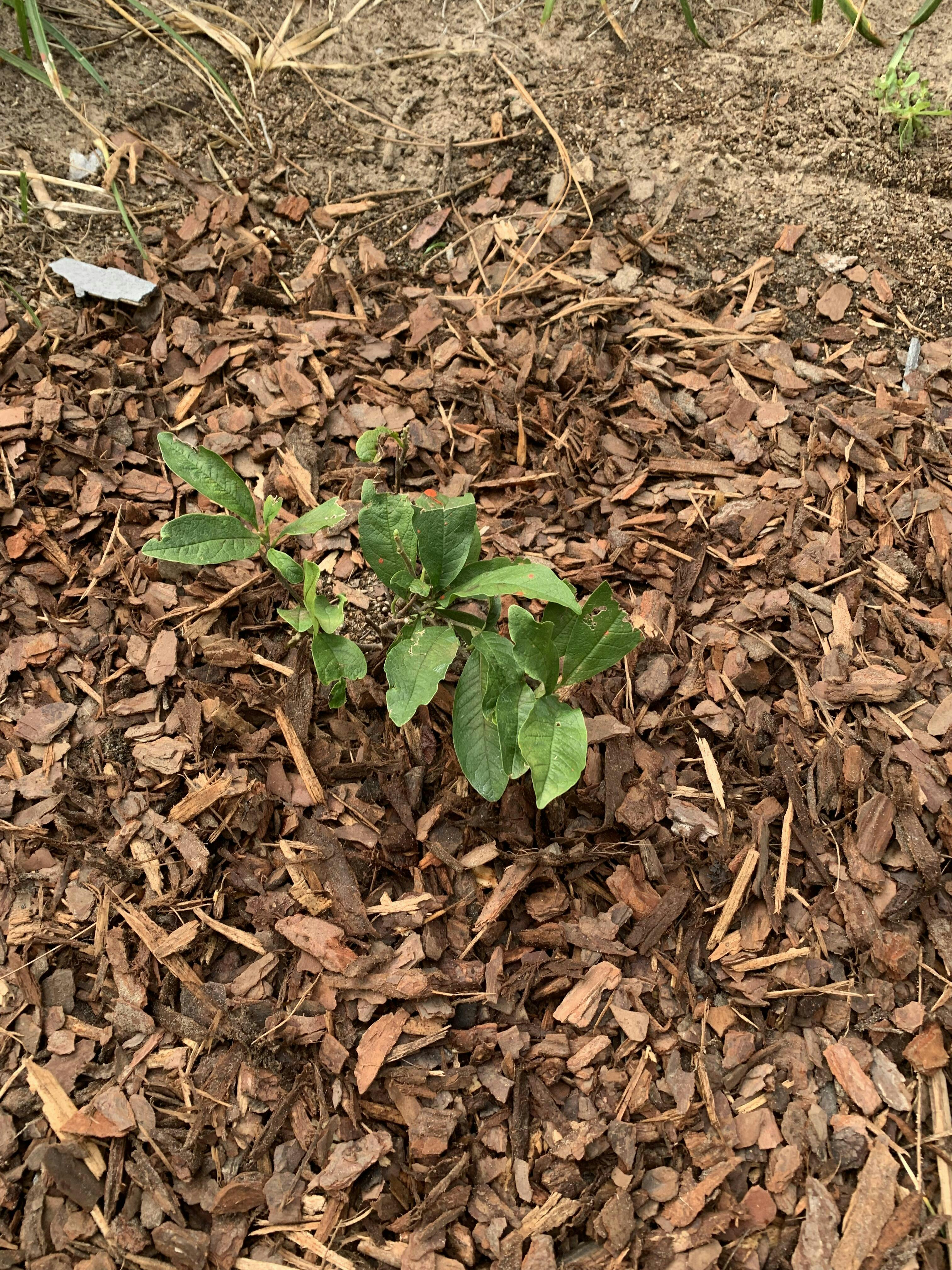
'Leonard Messel' Magnolia
Shrub
- Breathtaking blush pink star-shaped blooms.
- Can be used as a small tree or large shrub!
- Attracts bees and butterflies.
- Adaptable to various climates and soil conditions.
- Zones 5-9, full sun to part sun, 15’ -20’ tall and 10’-18’ wide.
 ZONE
ZONE
 EXPOSURE
 HEIGHT


Description
Choose a well-draining planting location with partial sunlight, ensuring it receives enough light to encourage optimal growth and blooming. Plant in spring or early fall, digging a hole twice the width of the root ball and placing the magnolia inside, backfilling with soil and watering generously. As the seasons unfold, watch in awe as the 'Leonard Messel' magnolia graces your surroundings with its enchanting blossoms.
Details
Common name: Magnolia
Zone: 5 – 9
Sun exposure: Sun, part sun
Height x width: 15-20' x 10-18'
Flower color: Blush pink, light purple, white.
Foliage color: Green
Season of Interest: Spring
Bloom Time: Spring
Features: Rare & unsual, heat tolerant, cold tolerant, best for beginners, deer-resistant, attracts pollinators
Uses: Specimen, borders, cut flowers, hedge
How to Grow
Light: Sun (> 6 hours sun), part sun (4-6 hours sun)
Water: Average water needs. Does not like standing water or wet roots. Shows some drought tolerance once established.
Spacing: 20ft.
Fertilizing: Apply a standard, slow-release fertilizer in early spring.
Winterizing: In colder zones, wrapping your plant is recommended, especially for younger plants, to protect it from cold winds. Apply a layer of mulch around the base of your plant to insulate roots.
Maintenance & pruning: No pruning is needed; if desired, pruning can be done mid to late summer or early fall.

Plant spacing is based on the ultimate width of the plants. This figure is normally given as a range; for example, 3-5’. If you live in a cold climate and/or want plants to fill in more quickly, plan to space at the shorter end of the range. If you live in a warm climate, are on a limited budget, or are willing to wait longer for plants to touch, use the higher end of the range. Using the larger number is recommended when calculating distance from a building or structure. There’s really no such thing as "maximum spacing": if you don’t want your plants to touch, you can space them as far apart as you’d like. All plant spacing is calculated on center, or in other words, the centers of the plants are spaced one half of their eventual width apart:

Unless you are planting in a straight line, as you might for hedges or edging, space your plants in a staggered or zig-zag pattern for a more interesting and naturalistic look:

Not sure just how many plants will fit in your garden? Our calculator gives you the exact amount of plants required for your space. Simply update the values and the calculator will re-calculate accordingly. Spacing information can be found in the 'How to Grow' tab on each plant's page.