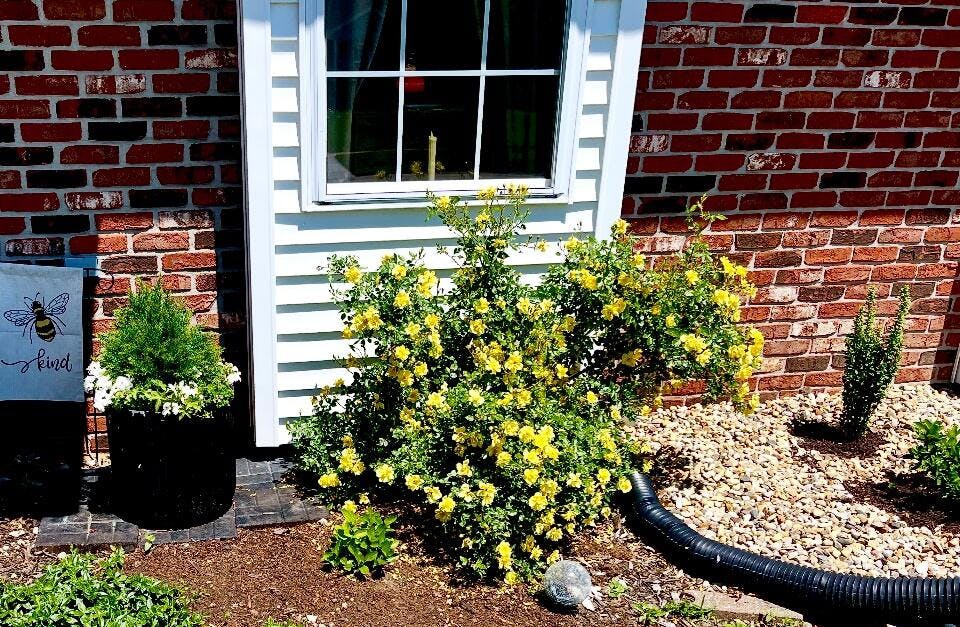
Oso Easy Lemon Zest® Rose
Shrub
- Enjoy fragrant, non-fading blooms all summer long!
- An easy to grow rose! Perfect for beginners.
- Resists powdery mildew and black spot
- Grown on its own roots - not grafted. No special protection or fussing required.
- Zones 4-9, sun, 3' tall x 3' wide at maturity.
 ZONE
ZONE
 EXPOSURE
 HEIGHT


Description
Details
Patent #: PP 26,914
Common name: Rose
Zone: 4-9
Sun exposure: Sun
Soil type: Average
Soil moisture: Average
Height x width: 2-3' tall and wide
Flower color: Yellow
Foliage color: Green
Bloom season: Summer-fall
Bloom time: Summer
Features: Proven Winners, heat tolerant, container plants, best sellers, best for beginners
Uses: Accent border, container or cottage gardening, ground cover, hedge, massing
How to Grow
Light: Sun (> 6 hours sun)
Water: Try to keep the soil evenly moist, especially in their first growing season. Never allow the foliage to remain wet into the evening; water early in the day.
Spacing: 2 - 4 ft.
Fertilizing: To keep the flowers coming, feed your roses with a fertilizer blended especially for roses. This can be done after each bloom cycle.
Winterizing: Spread a layer of composted manure, compost, or shredded leaves over the base of the plant in late fall after the ground freezes. Covering these mounds and the lower parts of the bushes with evergreen boughs will add protection. Pull the mounding material away from the stem as new growth emerges in spring. Prune injured branches over when new buds emerge in spring.
Maintenance & pruning: Prune to remove deadwood, to control or direct growth, and to promote flowering. Wait until growth breaks in early spring before pruning. Every 2 or 3 years, remove about one-third of the old branches to stimulate new, fresh growth. There is no need to remove faded flowers because these roses are self-cleaning.

Plant spacing is based on the ultimate width of the plants. This figure is normally given as a range; for example, 3-5’. If you live in a cold climate and/or want plants to fill in more quickly, plan to space at the shorter end of the range. If you live in a warm climate, are on a limited budget, or are willing to wait longer for plants to touch, use the higher end of the range. Using the larger number is recommended when calculating distance from a building or structure. There’s really no such thing as "maximum spacing": if you don’t want your plants to touch, you can space them as far apart as you’d like. All plant spacing is calculated on center, or in other words, the centers of the plants are spaced one half of their eventual width apart:

Unless you are planting in a straight line, as you might for hedges or edging, space your plants in a staggered or zig-zag pattern for a more interesting and naturalistic look:

Not sure just how many plants will fit in your garden? Our calculator gives you the exact amount of plants required for your space. Simply update the values and the calculator will re-calculate accordingly. Spacing information can be found in the 'How to Grow' tab on each plant's page.